Exploring ACL and Achilles Repair at Michigan Orthopedic Center
ACL tears and Achilles ruptures can stop even the most active people in their tracks. Whether caused by a quick pivot during a game or a misstep on uneven ground, these injuries can have a big impact on your sports performance and your day-to-day life. Fortunately, a combination of surgery and structured rehab can help restore strength, stability, and performance.
At Michigan Orthopedic Center, our team provides comprehensive care for common sports injuries, from diagnosis to rehabilitation. Our fellowship-trained surgeons and physical therapists work together to deliver effective, evidence-backed treatment that gets you moving safely again.
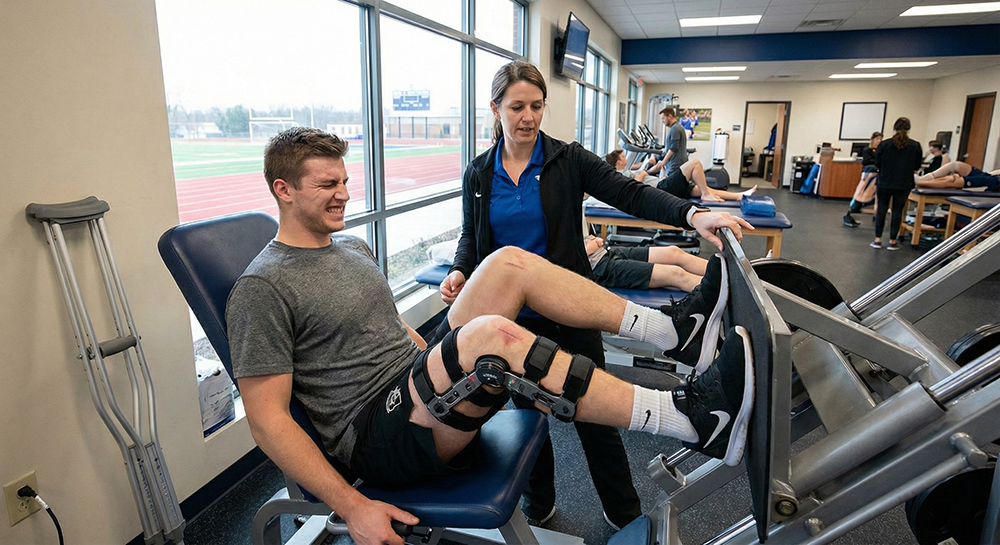
A Closer Look at ACL and Achilles Injuries
ACL tears and Achilles tendon ruptures are some of the most common injuries we see at our clinic.
An ACL tear is one of the most common knee injuries, often occurring during sports like soccer, football, or basketball. The ACL is a stabilizing ligament inside the knee. When torn, it usually requires surgical reconstruction, which involves replacing the damaged ligament with a graft.
An Achilles tendon rupture occurs in the back of the lower leg. It often feels like a pop or snap followed by pain and difficulty pushing off the foot. Achilles repair surgery typically involves suturing the torn tendon ends or reinforcing the repair with graft tissue if needed.
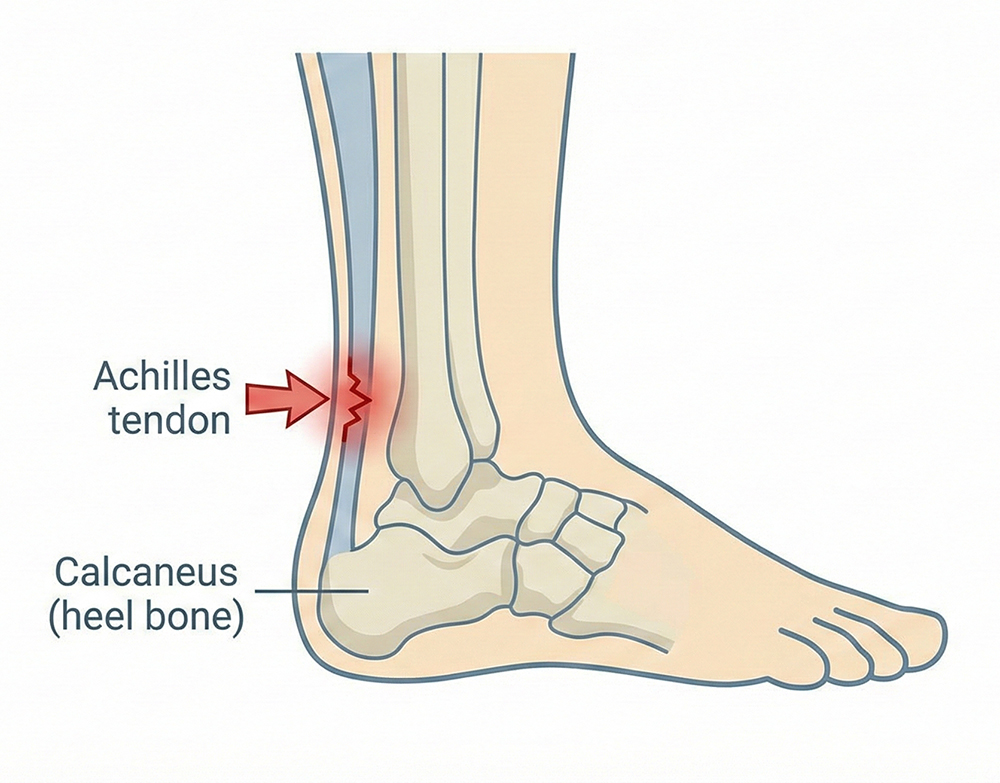
How Michigan Orthopedic Center Supports You Before, During, and After Surgery
Undergoing a repair procedure can be challenging for any athlete, but our comprehensive approach guides every patient through a coordinated, evidence-informed process.
Before Surgery
Strong outcomes begin with smart preparation. Our care team works closely with each patient to assess, educate, and build a foundation for recovery. This phase includes:
Advanced Diagnostic Imaging
- Our clinics use high-resolution MRI and ultrasound to confirm the type and severity of your injury, helping guide the decision on whether surgery is necessary and how it should be performed.
Prehabilitation
- We often recommend patients begin a physical therapy program before surgery. Prehab focuses on reducing swelling, improving joint motion, and strengthening surrounding muscles to shorten recovery time and enhance post-surgical strength and mobility.
Clear Education and Support
- We review what to expect during and after surgery, explain how anesthesia and pain management will work, and answer patient questions directly.
During Surgery
Our board-certified orthopedic surgeons specialize in precise, effective procedures using techniques backed by current research. Whenever possible, we opt for minimally invasive procedures, which can lead to less postoperative discomfort and a quicker return to activity.
By tailoring the surgical plan to each patient’s anatomy and goals, our surgeons ensure that repairs are not only effective but designed for long-term success.
ACL Reconstruction Surgeries
We perform ligament grafting using either autografts (the patient’s own tissue) or allografts (donor tissue), depending on activity level, age, and long-term goals. The surgeon uses an arthroscopic approach whenever possible, which involves small incisions, less soft tissue disruption, and faster healing.
Achilles Tendon Repair
Our team uses strong, low-profile suture techniques that reduce scar formation and allow earlier mobility. For larger ruptures, we may use graft reinforcement to strengthen the repair.
After Surgery
Surgery is an important first step to ensure a sports injury heals properly. However, a structured post-operative rehabilitation program with our sports medicine team is essential to getting you back in the game.
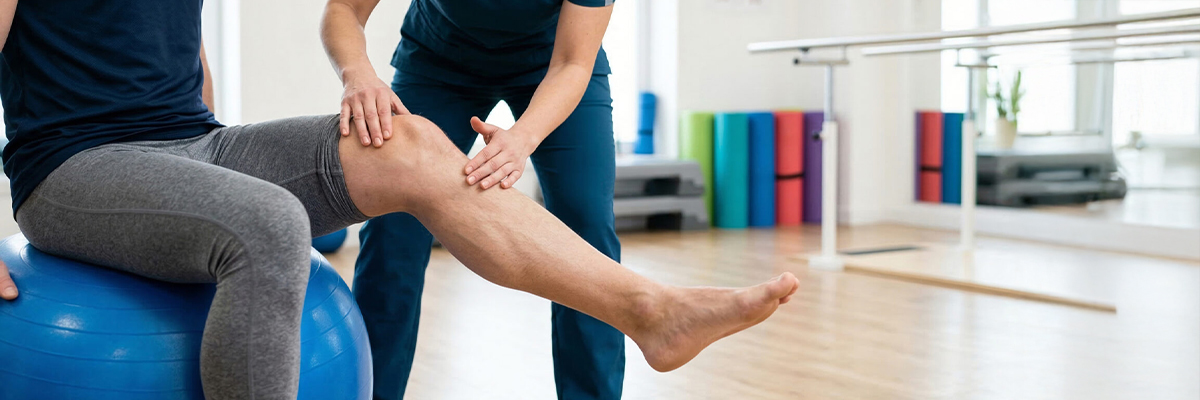
Our physical therapists will monitor progress and adjust plans based on how your knee or tendon responds to loading, rather than using a one-size-fits-all timeline. Your rehab plan will typically include:
Controlled Early Motion
- Gentle movement starts soon after surgery to reduce joint stiffness and maintain circulation.
Progressive Loading
- Weight-bearing and resistance increase over time based on tissue response rather than pain levels.
Neuromuscular Training
- This focuses on balance, body awareness, and coordination, especially after ACL surgery.
Strength Benchmarks
- To return to sport, patients must meet standards for limb symmetry, jump control, and muscle strength.
Ready to Rebuild After a Sports Injury?
If you’ve recently suffered a serious injury–whether to your ACL, Achilles tendons, or somewhere else–the orthopedic team at Michigan Orthopedic Center can help. We’ll support you from diagnosis through full recovery, with a plan that matches your needs and goals.
Contact our clinic today to get started. We’re here to help you move better, feel stronger, and return safely to what you love.
Sources
What You Need to Know About Winter Sports Injuries

Winter sports can be a great way to stay active, but they also carry a risk of injury, especially on the slopes. Skiers and snowboarders are more likely to strain joints and ligaments due to uneven terrain, sudden stops, or hard falls.
Fortunately, the sports medicine team at Michigan Orthopedic Center can help you safely recover from these injuries.
Three Common Winter Sports Injuries (And Signs to Watch Out For)
ACL Tears
A sudden twist or backward fall can tear the anterior cruciate ligament (ACL), which stabilizes the knee. Watch for:
- A loud pop at the time of injury
- Rapid swelling
- Knee instability or buckling
Shoulder Dislocations
Falling onto an outstretched arm or a direct impact can push the shoulder out of its socket. Watch for:
- Visible deformity
- Pain and weakness in the arm
- Limited motion
Wrist Fractures
Falls during snowboarding often cause wrist breaks, especially if you land with arms extended. Watch for:
- Swelling and tenderness
- Bruising
- Difficulty gripping or turning the wrist
When to Visit Michigan Orthopedic Center After an Injury
If you feel joint instability, sharp pain, or can’t move the limb normally, visit our clinic for an evaluation. Our orthopedic specialists offer a comprehensive range of services to help get you back on the slopes, including:
- Imaging (X-rays, MRI)
- Bracing or casting
- Physical therapy
- Surgery, if needed
Call to Learn More
Prompt care can prevent long-term damage and support a safer return to activity. Stay safe this winter. If you need us, Michigan Orthopedic Center is here to help! Just reach out to our clinic to get started.
Elite Care for Knee Pain and Injuries
ABOUT DR. GOETHALS
Dr. Josh Goethals is an orthopedic sports medicine surgeon specializing in the diagnosis and treatment of complex knee disorders, shoulder arthroscopy, and hip preservation.
Dr. Goethals completed his medical education at Michigan State University College of Osteopathic Medicine. Following medical school, Dr. Goethals pursued his orthopedic residency at Garden City Hospital, where he gained comprehensive training in the field of orthopedic surgery. To further enhance his expertise, Dr. Goethals completed a sports medicine fellowship at the Detroit Medical Center. This fellowship provided him with specialized training in the latest techniques and advancements in the field of sports medicine.
Dr. Goethals has a particular focus on complex knee disorders, including patellofemoral instability, anterior knee pain, knee ligament injuries, cartilage restoration, and knee preservation techniques such as osteotomy and partial knee replacements. He is well-versed in the latest advancements in knee surgery and utilizes a multidisciplinary approach to provide personalized treatment plans for his patients.
In addition to his expertise in knee disorders, Dr. Goethals is highly skilled in shoulder arthroscopy. He specializes in the treatment of shoulder instability, rotator cuff injuries, and shoulder replacements. Through minimally invasive techniques, he aims to restore shoulder function and alleviate pain, allowing his patients to regain their active lifestyles.
Furthermore, Dr. Goethals is experienced in hip preservation, including hip arthroscopy, labral injuries, and femoral acetabular impingement. He understands the importance of preserving the hip joint and utilizes advanced techniques to address hip conditions, providing his patients with optimal outcomes.
He is skilled in treating disorders of the ankle and elbow related to sports injuries.
Dr. Goethals is committed to staying at the forefront of his field and regularly attends conferences and workshops to expand his knowledge and refine his surgical skills. He is an active member of American Academy of Orthopedic Surgeons, American Academy of Orthopedics, American Orthopedic Society for Sports Medicine, and Michigan Orthopedic Society.
EDUCATION
- MEDICAL: Michigan State University College of Osteopathic Medicine
TRAINING
- ORTHOPEDIC SURGERY RESIDENCY: Garden City Hospital
- ORTHOPEDIC SPORTS MEDICINE FELLOWSHIP: Detroit Medical Center
PROFESSIONAL AFFILIATIONS
- American Academy of Orthopedic Surgeons
- American Academy of Orthopedics
- American Orthopedic Society for Sports Medicine
- Michigan Orthopedic Society
HOSPITAL AFFILIATIONS
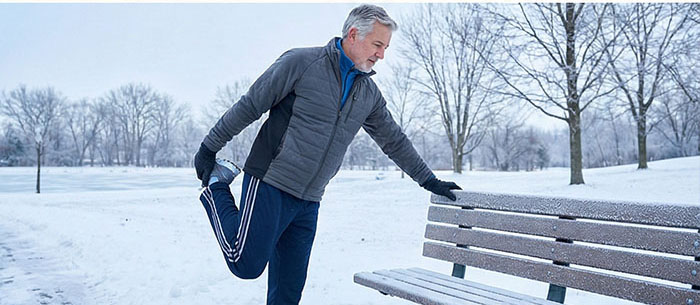
Continue the Year Strong
Without Joint Pain Holding You Back
As we move through winter this is the perfect time to focus on feeling your best. Michigan winters are tough, but joint pain doesn’t have to be part of the season. With early evaluation and a personalized care plan, many of our patients maintain—or even improve—their mobility despite the cold.
If joint pain is slowing you down as the year begins, now is the time to take action. Schedule an appointment today and start the new year moving more comfortably and confidently.
Exercise of the Month
Double Knees To Chest
(Lower Back, Hips)
Start on your back with your knees bent. Slowly bring both knees to your chest. Grasp your knees. Hold for 30 seconds and repeat. 1 Set, 3 Reps
Recovery In Lansing, Okemos, And Mid-Michigan, MI
See How Patients Have Recovered In Lansing & Okemos
We’ve helped thousands of people in Lansing, Okemos, and the surrounding Mid-Michigan region return to the life they love. From everyday walkers to elite athletes, our patients’ stories are proof that with the right care and support, healing is possible.

-
“I have never been made to feel like I am just a number.”
Dr. Meredith Heisey recently replaced my left shoulder, she has also repaired both rotator cuffs, and put my wrist back together after a fall while I out of the country. Dr. Heisey does not sugar coat the situation, she tells it like it is and I admire her for that. She and her team are…
–
JANICE K GEARHART
-
“It was a great experience.”
Two weeks ago today I had my right knee completely replaced by Dr. Taunt. He is simply the best. Yes I do have some swelling and stiffness but how many can say that they are at 116 degrees of flex at this stage. In regards to the staff at McLaren , everyone was professional and…
–
TOM N.
-
“I am grateful to be walking again!”
I am very grateful to Dr. Swords. After a traumatic fall from a ladder where I broke my knee in 3 pieces, Dr. Swords excellent work allowed me to walk in 4 months. I was able to get back to work in only four months after surgery. Today I am thankful for the magnificent care…
–
M.S.L.

No-Bake Caramel Brownies Recipe (Gluten-Free, Vegan)
- Brownies
- 1 ½ c pitted medjool dates
- 1 c walnuts
- ½ c hazelnuts
- ⅓ c cocoa powder
- Salted Caramel
- ½ c almond butter
- ¼ c maple syrup
- 1 tablespoon almond milk
- 1 tablespoon coconut oil
- ¼ teaspoon sea salt
Brownie: Combine all ingredients in a food processor until it reaches a brownie consistency. Press down into lined loaf pan.
Salted Caramel: Stir together all ingredients until smooth and pour over top of brownie layer. Place in the freezer to firm (about 1hr.)
Once set, sprinkle with flaky sea salt, slice into 10-12 squares, and enjoy! Best stored in the freezer.