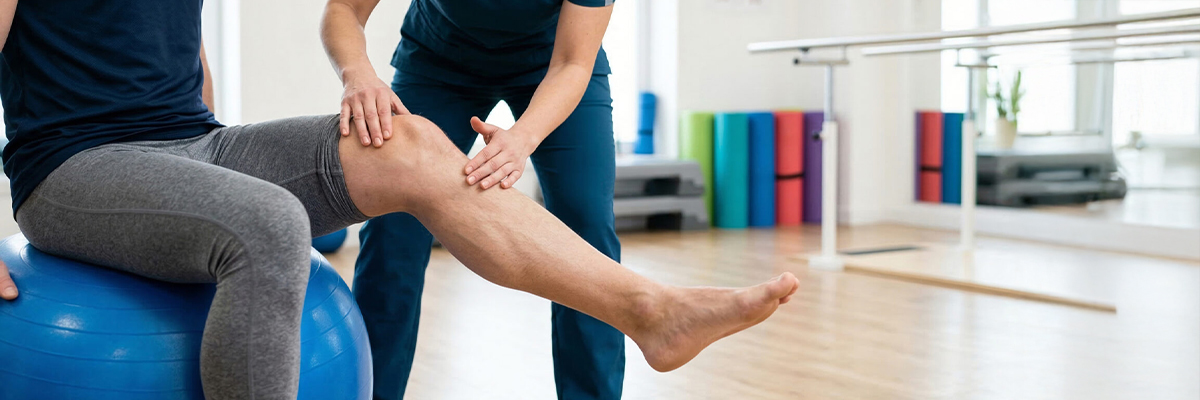
Do Your Joints Feel Worse In Winter?
It May Not Be Your Imagination! Here’s What to Do About It.
Michigan’s winters can be harsh. And when the temperatures really drop, many of our patients notice something else creeping in: pain and stiffness in their joints.
It may be tempting to dismiss winter-related joint pain as an old wives’ tale, but science actually does bear out a connection between the two. Fortunately, once you know that winter is harder on your joints, you can take proactive steps to manage your pain before it becomes a problem–and the team at Michigan Orthopedic Center is here to help you do exactly that.

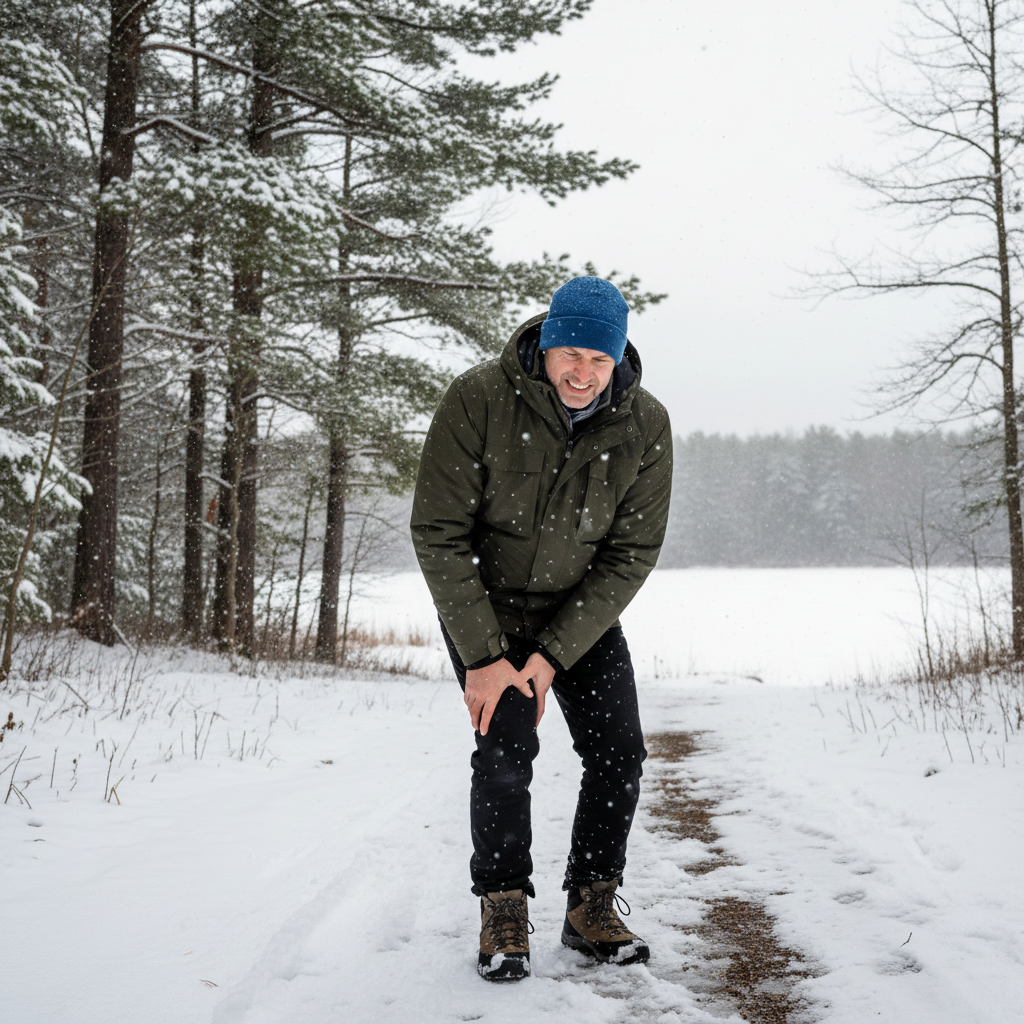
Cold Weather and Joint Pain: What’s Really Going On?
Winter introduces several factors that can combine to create the perfect storm for joint discomfort, particularly for people with:
- Osteoarthritis or rheumatoid arthritis
- Previous joint injuries or surgeries
- Chronic spine conditions
- Joint replacements
Understanding those factors is crucial in helping you manage any seasonal flare-ups. Here’s what may be happening:
Drops in Barometric Pressure
- When the air pressure outside decreases, tissues around your joints may expand slightly. This expansion can irritate nerves and increase discomfort, especially in joints already affected by arthritis or injury.
Cold-Related Muscle Restrictions
- Low temperatures can cause your muscles and tendons to stiffen, which reduces your overall joint mobility.
Reduced Circulation
- Cold weather also slows blood flow to the muscles, further increasing stiffness and slowing your body’s natural healing ability. That means strains or even just run-of-the-mill soreness may take a little longer to feel better.
Less Physical Activity
- Many people want to hibernate in the winter, which means they become less active overall. Reduced movement leads to more joint stiffness, muscle weakness, and reduced mobility.
How Our Clinicians Keep You Moving Through the Michigan Winter
The Michigan Orthopedic Center team always sees an increase in joint pain complaints around this time of year, so if you’re struggling, you’re not alone. But since you know the pain is coming, you don’t have to wait for your symptoms to worsen. Our proactive approach helps reduce winter-related joint pain before it becomes a major problem.
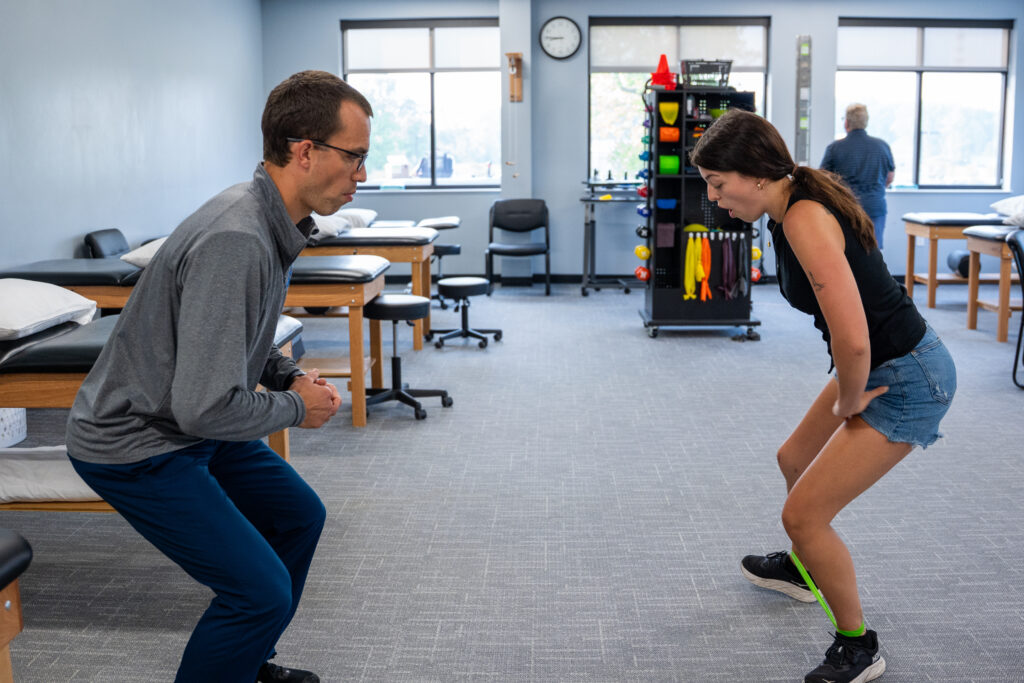
Our fellowship-trained orthopedic surgeons and specialized providers can work with you to identify the exact cause of your symptoms and develop a custom treatment plan with step-by-step strategies that address your condition, lifestyle, and goals. With a full range of care options available under one roof, including physical therapy, regenerative medicine, and more, we make following that care plan as easy as possible.
Treatments That Help You Feel and Function Better
Our team employs a range of strategies to help alleviate joint pain and enhance mobility, even in the most severe winter conditions. These techniques are supported by scientific research and tailored to your condition and preferences.
Here are some of the most effective options:
Advanced Pain Management
Injections, such as corticosteroids or viscosupplementation, may reduce inflammation in targeted areas and offer weeks or months of relief. This approach complements physical therapy treatments, helping to lower your pain levels so you can focus on strengthening the affected area.
Physical Therapy
Targeted, progressive movement helps restore joint control, improve circulation, and reduce stiffness. Your PT program might include manual therapy, strength training, and functional stretching to boost mobility.
Regenerative Medicine
In some cases, we may recommend regenerative treatments such as platelet-rich plasma (PRP) injections. These approaches support natural tissue repair and can help slow the progression of conditions like knee arthritis.
Lifestyle Strategies
In addition to treatment at our clinic, there are several simple steps you can take to lower your joint pain throughout the season. Here’s what we recommend:
- Eat anti-inflammatory foods to support tissue health. Leafy greens, fatty fish (like salmon or mackerel), legumes, and whole grains are all great choices.
- Stay warm by dressing in layers and using joint-friendly heating pads to ease stiffness.
- Avoid prolonged rest, which can lead to muscle atrophy, joint stiffness, and poor balance over time. Fortunately, there are several ways to stay active without braving the cold. For example, you can go for a walk at a mall or big box store, invest in a stationary bike that you can ride by your fireplace, or try an online yoga video.
Elite Care for Acute and Chronic Hand Conditions
ABOUT DR. WOODS
Dr. Woods specializes in the treatment of acute and chronic hand conditions, including:
- Carpal tunnel syndrome
- Trigger fingers
- Tendinitis
- Hand injury
- Hand fractures
- Wrist fractures
- Wrist pain
- Arthritis of the hand and wrist
- Fingertip injury
- Tendon injury
- Ganglion and mucous cysts
EDUCATION
- UNDERGRADUATE: Michigan State University, East Lansing, MI
- MEDICAL: Michigan State University, East Lansing, MI
TRAINING
- ORTHOPEDIC SURGERY RESIDENCY: Henry Ford Hospital
- HAND SURGERY FELLOWSHIP: University of Pittsburgh Medical Center
HOSPITAL AFFILIATIONS

Winter Doesn’t Have to Set You Back
Michigan winters are hard enough. You don’t need to add joint pain to the mix. With early evaluation and the right care plan, many of our patients can maintain or even improve their mobility during the colder months.
If your joint pain is getting worse this winter, now is the time to act. Schedule an appointment today and take the first step toward a more comfortable, mobile season.
Exercise of the Month
Figure 4 Bridge
(Glutes, Hips)
Begin on your back. Bend your knees and keep your back flat on the ground. Cross one leg over the other so that your legs make a “4”. Gently, contract your abdominals and hold to keep your back flat as you move up into the bridge position. Remember to breathe. Gently, squeeze your butt muscles and lift your hips off the ground. The goal is to have your hips aligned with your knees and shoulders. 3 Sets, 10 Reps.
Don’t Let Your 2025 Insurance Benefits Go To Waste!
Take charge of your health today and make the most of your insurance benefits!
If you’ve already met your deductible this year or have funds left in your HSA account, you can take advantage of our remarkable opportunity at Michigan Orthopedic Center. Don’t let these valuable benefits go unused!
Recovery In Lansing, Okemos, And Mid-Michigan, MI
See How Patients Have Recovered In Lansing & Okemos
We’ve helped thousands of people in Lansing, Okemos, and the surrounding Mid-Michigan region return to the life they love. From everyday walkers to elite athletes, our patients’ stories are proof that with the right care and support, healing is possible.

-
“I have never been made to feel like I am just a number.”
Dr. Meredith Heisey recently replaced my left shoulder, she has also repaired both rotator cuffs, and put my wrist back together after a fall while I out of the country. Dr. Heisey does not sugar coat the situation, she tells it like it is and I admire her for that. She and her team are…
–
JANICE K GEARHART
-
“It was a great experience.”
Two weeks ago today I had my right knee completely replaced by Dr. Taunt. He is simply the best. Yes I do have some swelling and stiffness but how many can say that they are at 116 degrees of flex at this stage. In regards to the staff at McLaren , everyone was professional and…
–
TOM N.
-
“I am grateful to be walking again!”
I am very grateful to Dr. Swords. After a traumatic fall from a ladder where I broke my knee in 3 pieces, Dr. Swords excellent work allowed me to walk in 4 months. I was able to get back to work in only four months after surgery. Today I am thankful for the magnificent care…
–
M.S.L.
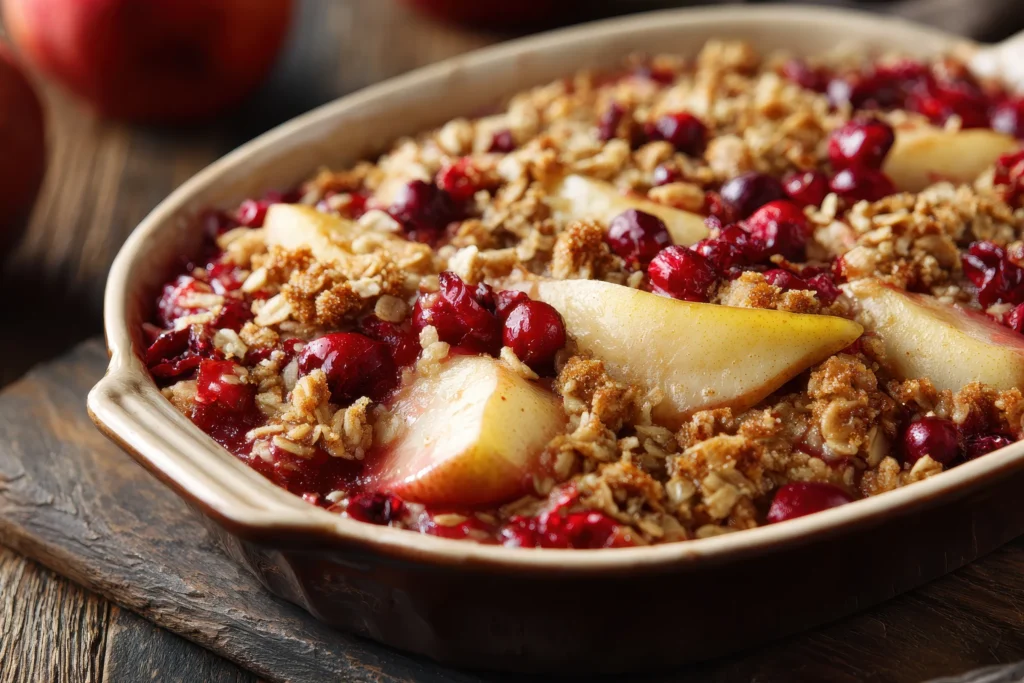
Cinnamon Apple Bake
Ingredients
- 4 apples, sliced
- 1 cup fresh cranberries
- 1 tablespoon maple syrup
- 1 teaspoon cinnamon
- 1 teaspoon vanilla
- Pinch of nutmeg
- Small handful of chopped walnuts or pecans
- Optional: a squeeze of lemon
Steps
- Heat the oven to 375.
- Toss the apple slices and cranberries in a bowl with maple syrup, cinnamon, vanilla, nutmeg, and lemon if using.
- Spread the mixture in a small baking dish.
- Sprinkle nuts on top.
- Bake for about 25 minutes until the apples are soft and the cranberries burst.