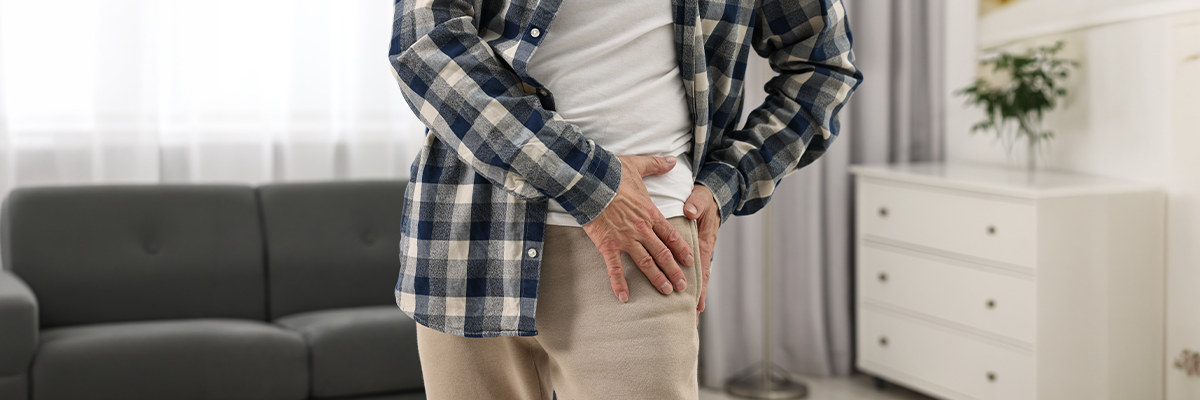
Preparing for surgery involves more than scheduling a date and showing up. Your body’s condition going into surgery can strongly influence your recovery timeline and long-term results. That is why pre-surgery health optimization is an essential step in the process. Pre-surgical physical therapy, also known as “prehab,” helps strengthen your body, improve movement, and boost your confidence before an operation.
At Michigan Orthopedic Center, we work with patients to build strong, personalized plans that prepare them for surgery and support a smoother recovery. Below are several steps you can take right now to optimize your health with physical therapy before surgery.
Why Pre-Surgical Health Optimization Matters
Before we get into the checklist, it’s important to understand the purpose behind each step. Physical therapy helps improve strength, mobility, balance, and endurance. Entering surgery in better condition often leads to:
- Fewer complications
- Shorter hospital stays
- Faster return to normal activities
- Improved post-surgical outcomes
Now let’s take a look at what you can do to begin optimizing your health today.

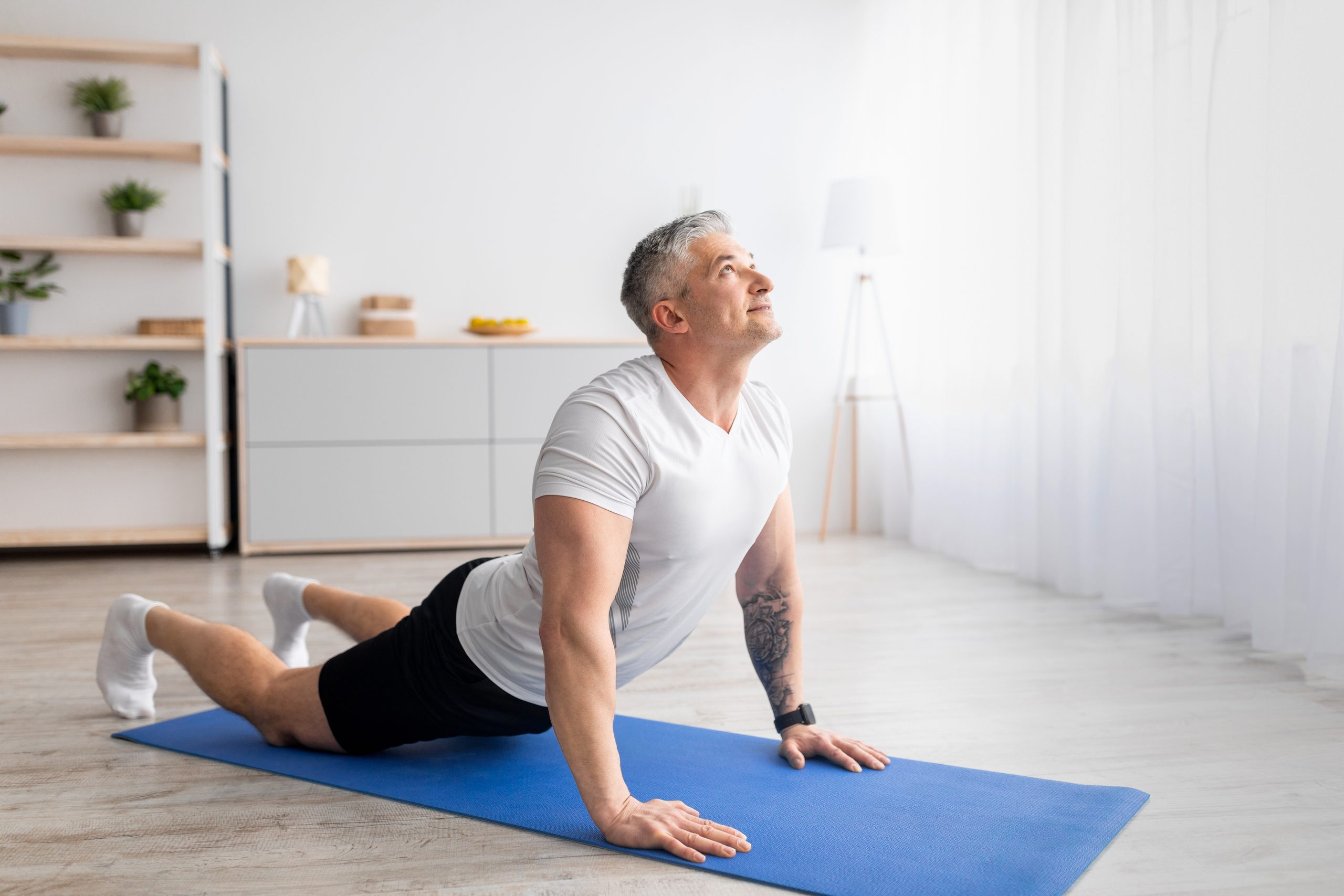
Your Pre-Surgery Prep Plan: Seven Ways to Strengthen Your Body Before the Big Day
1. Schedule a Pre-Surgery Evaluation
The first step in pre-surgery health optimization is to schedule a full assessment with a licensed physical therapist. This evaluation helps identify any mobility limitations, strength deficits, or compensations that may slow your recovery. Based on the results, your therapist will create a program to target those specific issues.
2. Strengthen Muscles That Support the Affected Area
Stronger muscles around the surgical site provide better joint support and help you regain function more quickly. For example, if you’re preparing for knee surgery, strengthening the quadriceps, hamstrings, and glutes will be a priority. Your therapist will guide you through exercises that build strength without causing pain or inflammation.
3. Improve Range of Motion
Restoring joint movement before surgery makes it easier to regain mobility afterward. Limited range of motion can lead to stiffness and delays in rehabilitation. Gentle, controlled movements that improve flexibility and joint function are a core focus of pre-surgical therapy.
4. Learn Post-Surgical Movement Strategies
Understanding how to move safely after surgery prevents injury and builds confidence. During pre-surgery health optimization, your physical therapist will teach you how to perform basic movements like sitting, standing, or walking with proper support and reduced strain. Practicing these in advance helps you feel more in control.
5. Build Cardiovascular Endurance
General physical fitness plays a key role in surgical recovery. Light aerobic activity, such as walking or stationary cycling improves heart and lung function and can speed up post-operative healing. Your physical therapist will help you build stamina without overexerting your body.
6. Address Swelling and Circulation
Improving circulation before surgery can help reduce swelling afterward. Your therapist may use techniques such as manual therapy, gentle compression, or elevation strategies to encourage healthy blood flow and lymphatic drainage. This reduces post-surgical complications and supports healing.
7. Reduce Anxiety Through Preparation
Surgery can bring feelings of uncertainty or stress. One overlooked benefit of pre-surgery health optimization is psychological readiness. Knowing that you’ve prepared your body for recovery gives you peace of mind and a sense of control. Your physical therapist becomes a guide throughout the process, answering questions and helping you feel confident.
Set Yourself Up for a Strong Recovery
Getting ready for surgery is about more than what happens in the operating room. Your physical preparation plays a big part in your outcome. At Michigan Orthopedic Center, we provide individualized care focused on improving strength, function, and mindset before your procedure.
If surgery is on your schedule, now is the time to act. Contact Michigan Orthopedic Center today to schedule your evaluation and take the first steps toward a stronger recovery. Your body will thank you later.
Sources: https://pmc.ncbi.nlm.nih.gov/articles/PMC9924929/, https://jamanetwork.com/journals/jamanetworkopen/fullarticle/2803788
Do Your Joints Feel the Chill?
Why Cooler Weather Can Affect Arthritis
If you’ve noticed your arthritis tends to flare up in colder weather, it might not necessarily be your imagination. While chilly weather doesn’t cause arthritis, several weather-related factors, including changes in temperature, humidity, and barometric pressure, can have an impact on your arthritis symptoms.
One big reason your joints might feel stiffer in the fall and winter is that the lower temperatures can cause muscles and other tissues around the joints to feel tighter. Add less physical activity during chilly months, and joint stiffness can become more noticeable.
Keep Moving as Temperatures Drop
Regular movement is one of the most effective ways to manage arthritis symptoms, especially when it’s cold outside. Try these strategies:
- Start with 5-10 minutes of gentle walking and easy range-of-motion exercises before more demanding activity.
- Find ways to stay active indoors. Yoga, stationary cycling, and other low-impact exercises can keep joints moving when outdoor conditions aren’t inviting.
- Add some resistance training to your routine. Building muscle strength can support joint function and make everyday activities easier.
- A warm shower, heating pad, or warm compress may temporarily ease stiffness and help you move more comfortably.
- Break up long periods of sitting with short movement breaks to prevent stiffness from building throughout the day.
Source: https://www.tandfonline.com/doi/full/10.1080/07853890.2023.2196439#abstract


Don’t Let Joint Pain Keep You on the Couch
If colder weather is making it harder to walk, work, or enjoy your usual activities, the team at Michigan Orthopedic Center can help. Reach out today to learn more about how you can stay active, manage joint discomfort, and keep moving confidently this season.
Exercise of the Month
Bridging
(Glutes, Lower Back, Hamstrings)
Begin on your back. Bend your knees and keep your back flat on the ground. Gently, contract your abdominals and hold to keep your back flat as you move up into the bridge position. Remember to breathe. Gently, squeeze your butt muscles and lift your hips off the ground. The goal is to have your hips aligned with your knees and shoulders. Hold for 5 seconds. 3 Sets, 10 Reps.
Recovery In Lansing, Okemos, And Mid-Michigan
See How Patients Have Recovered In Lansing & Okemos
We’ve helped thousands of people in Lansing, Okemos, and the surrounding Mid-Michigan region return to the life they love. From everyday walkers to elite athletes, our patients’ stories are proof that with the right care and support, healing is possible.

-
“I have never been made to feel like I am just a number.”
Dr. Meredith Heisey recently replaced my left shoulder, she has also repaired both rotator cuffs, and put my wrist back together after a fall while I out of the country. Dr. Heisey does not sugar coat the situation, she tells it like it is and I admire her for that. She and her team are…
–
JANICE K GEARHART
-
“It was a great experience.”
Two weeks ago today I had my right knee completely replaced by Dr. Taunt. He is simply the best. Yes I do have some swelling and stiffness but how many can say that they are at 116 degrees of flex at this stage. In regards to the staff at McLaren , everyone was professional and…
–
TOM N.
-
“I am grateful to be walking again!”
I am very grateful to Dr. Swords. After a traumatic fall from a ladder where I broke my knee in 3 pieces, Dr. Swords excellent work allowed me to walk in 4 months. I was able to get back to work in only four months after surgery. Today I am thankful for the magnificent care…
–
M.S.L.
Elite Care for Shoulder, Knee and Elbow Conditions
ABOUT DR. HEISEY
Dr. Heisey is a fellowship-trained surgeon specializing in the treatment of Sports Medicine, Shoulder, Knee and Elbow conditions. Dr. Heisey believes that her caring bedside manner and approachable personality provide the opportunity to develop a special rapport with her patients. Consistent, clear communication and education are the key components that allow her to build lasting relationships with patients and their loved ones. This approach allows for informed and shared decision making to achieve customized solutions and a more satisfactory healing process.
Dr. Heisey is active in clinical research and is the team physician for Lansing Community College. She is involved in teaching in the Michigan State University/McLaren Greater Lansing orthopedic surgery residency program.
DR. HEISEY IS A PENNSYLVANIA NATIVE WITH THE
FOLLOWING TRAINING:
- BS – Biology, Pennsylvania State University, State College, Pennsylvania
- Medical Degree, Doctor of Osteopathic Medicine, University of New England, Biddeford, Maine
- Traditional Rotating Internship, Ingham Regional Medical Center, Lansing, Michigan
- Orthopedic Surgery Residency, Chief Resident, MSU/Ingham Regional Medical Center (McLaren), Lansing, Michigan
- Orthopedic Sports Medicine and Shoulder Fellowship, William Beaumont Hospital, Royal Oak, Michigan
CERTIFICATION
- Board Certified, American Osteopathic Board of Orthopedic Surgery, 2009
MEMBERSHIPS
- American Academy of Orthopaedic Surgeons
- American Osteopathic Academy of Orthopedics
- Arthroscopy Association of North America
- American Osteopathic Association
- Michigan Orthopedic Society
AWARDS AND PUBLICATIONS
Author of several articles in major journals and publications
HOSPITAL AFFILIATIONS
- Red Cedar Surgery Center
- McLaren Greater Lansing
- UM Health-Sparrow (Emergency Situations Only)

Crispy, Oven-Baked Sweet Potato Fries
For sweet potato fries that actually stay crisp, all you need is your oven and a clever cornstarch trick.
Ingredients
For the Fries:
- Cooking spray
- 2 tablespoons neutral oil, such as vegetable oil
- 3/4 cup water
- 3 tablespoons cornstarch
- 3 tablespoons white rice flour
- 1/2 teaspoon baking soda
- 2 (12 ounces each) sweet potatoes, trimmed, cut in half crosswise, and cut into 1/2-inch thick sticks
Seasoned Salt:
- 1 1/2 teaspoons kosher salt, plus extra for seasoning; for table salt, use half as much by volume
- 1/2 teaspoon sweet paprika
- 1/2 teaspoon garlic powder
- 1/4 teaspoon cayenne
Fry Sauce (optional):
- 1/2 cup mayonnaise
- 1 tablespoon ketchup
- 1 tablespoon sriracha
- 2 teaspoons white wine vinegar
- 1/2 teaspoon garlic powder
Instructions
1. Adjust oven rack to lowest position and heat oven to 425°F. Spray rimmed baking sheet with cooking spray. Add oil to prepared sheet and tilt sheet until surface is evenly coated with oil. In a small bowl, combine salt, paprika, garlic powder, and cayenne; set aside.
2. In a large microwave-safe bowl, whisk water and cornstarch, making sure no lumps of cornstarch remain on bottom of bowl. Microwave, stirring every 20 seconds, until mixture begins to thicken, 1 to 3 minutes. Remove from microwave and continue stirring until mixture thickens to a thin yogurt-like consistency. (If necessary, after microwaving, add up to 3 tablespoons additional water to achieve correct consistency.)
3. Add rice flour and baking soda to cornstarch mixture and whisk to combine. Add cut sweet potato sticks and toss until each is evenly coated. Transfer fries to prepared baking sheet, arranging them in a single layer with one flat cut side down, and space between each piece. (Some cornstarch mixture will remain in bowl.)
4. Bake until bottoms are beginning to brown and fries easily release from pan, about 20 minutes. Remove sheet from oven and, using a thin spatula, loosen the fries and carefully flip taking care not to tear. Rotate pan and return to oven to continue to bake until second sides are golden brown, about 15 minutes.
5. For the Fry Sauce: While fries bake, in a small bowl, whisk together mayo, ketchup, sriracha, vinegar, and garlic powder.
6. Sprinkle fries with prepared salt mixture and toss fries to distribute seasoning evenly. Transfer fries to paper towel–lined platter and let cool about 5 minutes. Serve fries with prepared sauce, if desired.