Orthopedic surgery is an important milestone, but real healing begins once the procedure is complete. Recovery doesn’t happen overnight, and without the right support, patients often struggle to regain strength or full mobility. This is where post-surgical rehabilitation becomes essential. At Michigan Orthopedic Center, the care team works closely with each patient to build a structured, medically guided plan that restores motion, function, and confidence. Whether recovering from joint replacement, fracture repair, or ligament reconstruction, post-surgical rehab provides the foundation for long-term success.
When Pain Relief Isn’t Enough
Surgical intervention may resolve the core issue, such as a torn ligament or deteriorated joint, but it doesn’t instantly restore physical function. Many patients wake up from surgery unable to move comfortably. Some experience joint stiffness. Others feel unsteady or weak. These limitations are frustrating and can lead to fear or prolonged inactivity.
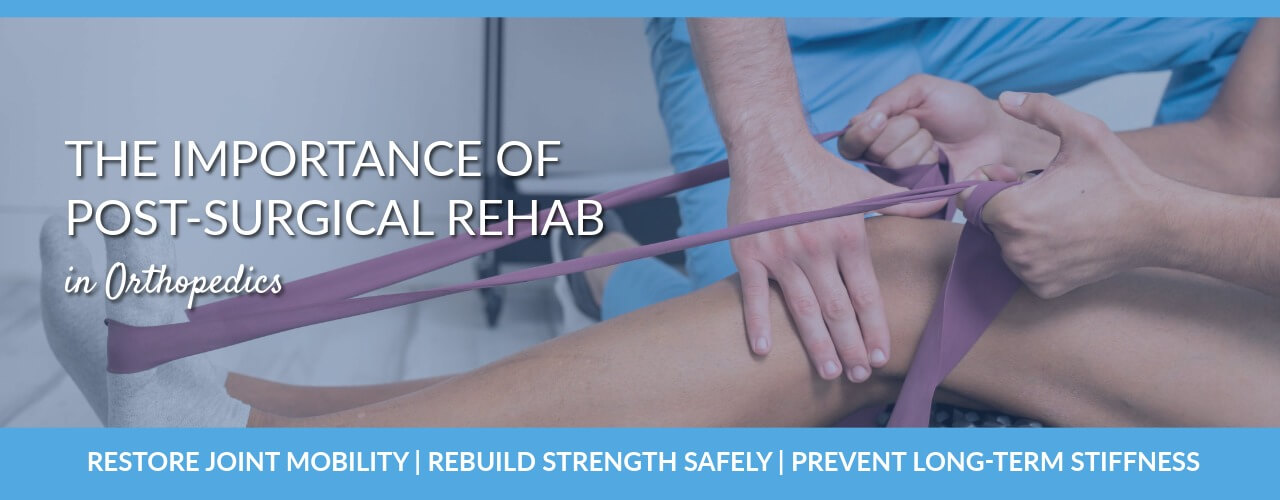
Patients often expect that rest alone will allow their bodies to bounce back. But the truth is, too much rest can lead to muscle atrophy, joint tightness, and even impaired coordination. That’s why early, guided movement is critical. Post-surgical rehab introduces safe, progressive activity that protects healing tissues while helping the body regain control.
From Frustration to Function: One Patient’s Turning Point
After shoulder surgery to repair a rotator cuff tear, one patient at Michigan Orthopedic Center felt discouraged. They couldn’t lift their arm, reach overhead, or sleep without discomfort. Everyday tasks, such as getting dressed, picking up groceries, or reaching into a cupboard, were painful or impossible.
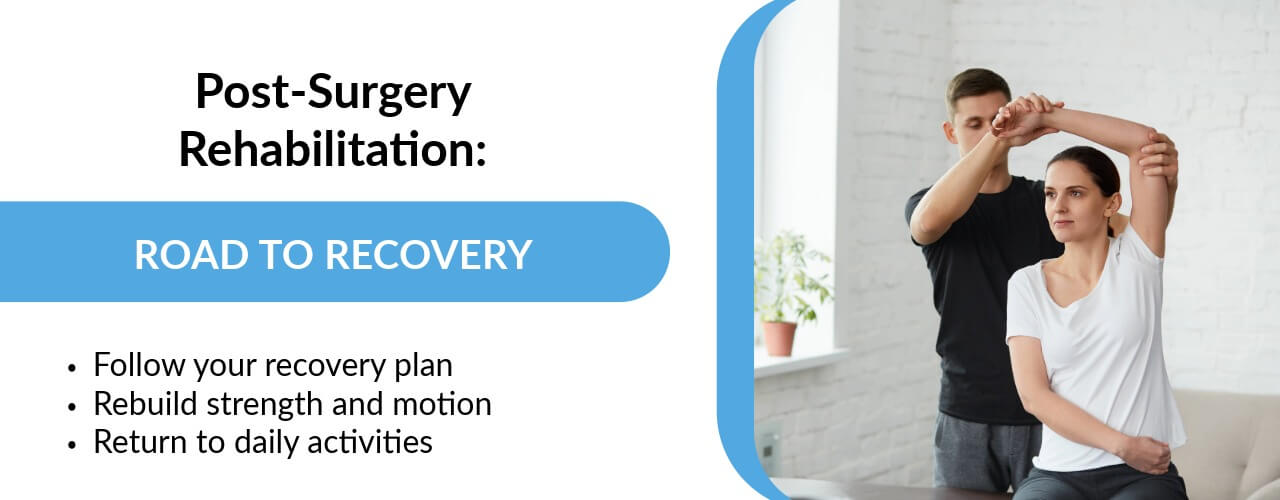
The care team assessed their needs and created a plan centered on evidence-informed rehab techniques. Over the next eight weeks, they followed a plan that included:
- Gentle manual therapy to restore joint mobility
- Guided range-of-motion work to reduce stiffness
- Gradual strengthening exercises targeting shoulder stability
- Functional task practice to rebuild independence
Progress was steady, not instant. But by the sixth week, the patient was lifting their arm overhead with reduced pain. By the tenth, they were back to driving and handling daily chores with ease. Without post-surgical rehab, these gains would have taken longer or might not have happened at all.
Why Post-Surgical Rehab Accelerates Results
A successful surgery doesn’t guarantee a successful outcome. Recovery requires more than rest. The body needs to relearn how to move efficiently and safely. Post-surgical rehab bridges the gap between healing and high function.
Here’s how it helps:
- Reduces swelling and pain through safe mobilization
- Prevents joint stiffness by restoring motion early
- Rebuilds muscle strength through progressive loading
- Supports balance and coordination with targeted exercises
- Improves gait and posture after lower body procedures
- Restores independence through real-life task training
These benefits apply across a wide range of surgeries, from total knee replacements to spinal fusions. At Michigan Orthopedic Center, each rehab plan is personalized to the patient’s condition, goals, and pace of healing.
A Team-Based Approach That Puts the Patient First
Rehabilitation is not a one-size-fits-all process. That’s why Michigan Orthopedic Center uses a collaborative care model. Each patient works with licensed rehabilitation professionals who coordinate closely with their orthopedic surgeon. Communication is open and continuous. This ensures every step of care aligns with the surgical outcome and overall recovery goals.
Patients are also educated along the way. Understanding what to expect and why certain movements matter helps reduce anxiety and builds trust in the process. Rehab becomes less intimidating when patients know they’re supported and guided with intention.
Building Back Strength—And Confidence
The physical gains from post-surgical rehab are important, but the emotional gains are just as valuable. Many patients begin rehab feeling uncertain or frustrated. They’re afraid of pushing too hard or reinjuring themselves. But with the right guidance, that uncertainty turns into confidence.
One patient recovering from ankle reconstruction shared that the turning point came when they were finally able to walk unaided across their driveway. That small step felt like a breakthrough. It happened because their care team helped them load and strengthen their ankle safely, while adjusting each step of treatment based on progress and feedback.
These moments matter. They remind patients that progress is possible and sustainable with the right support.
Don’t Leave Recovery to Chance
Skipping or delaying post-surgical rehab increases the risk of incomplete healing and lingering dysfunction. The earlier rehab begins, the better the outcome. Even simple movements, guided under expert supervision, make a measurable difference in circulation, muscle activation, and joint control.
At Michigan Orthopedic Center, every patient receives a recovery plan tailored to their body, goals, and timeline. Whether the surgery involved the spine, shoulder, hip, knee, or wrist, the team will guide each step from first movement to full activity.
Let’s Get You Moving Again
If you or a loved one is preparing for orthopedic surgery or struggling to recover, reach out to Michigan Orthopedic Center. Post-surgical rehab could be the missing piece to a smoother, stronger recovery. Let our team help you move forward with confidence.