Surgical and Non-Surgical Treatment for Unstable Shoulders
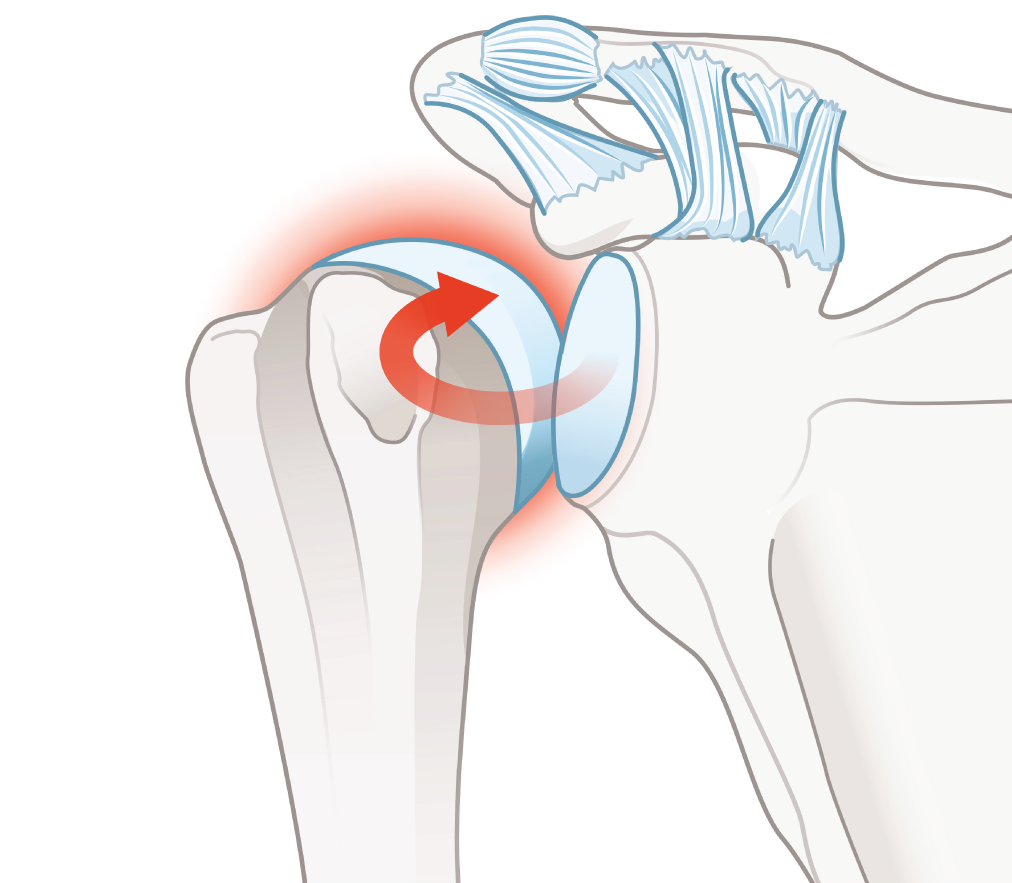
The shoulder is the most mobile joint in your body, which also makes it more vulnerable to instability and dislocation. When the head of the upper arm bone moves out of the socket, either partially or completely, it can stretch or tear the ligaments and cartilage that hold the joint in place. This often leads to repeat dislocations, pain, and weakness.
At Michigan Orthopedic Center, our orthopedic surgeons provide expert care for shoulder instability, including recurrent dislocations and chronic looseness in the joint. If your shoulder keeps slipping out of place or feels unstable, we can help restore stability and protect the joint from long-term damage.
Common Signs of Shoulder Instability
You may be dealing with shoulder instability if you experience:
- A sensation that the shoulder is “loose” or may pop out
- Repeated dislocations or subluxations (partial dislocations)
- Pain with throwing, lifting, or reaching
- Weakness or limited motion
- Clicking or catching inside the joint
What Causes an Unstable Shoulder
Shoulder instability can be caused by:
- A traumatic dislocation, often from sports or a fall
- Repetitive overhead activity, such as throwing or swimming
- Loose ligaments or naturally high joint mobility (common in younger patients)
- A torn labrum or stretched joint capsule
Over time, repeated dislocations can damage the joint further, increasing the risk of arthritis and reducing shoulder function.
Meet Our Shoulder Surgeons
Our shoulder specialists are board-certified and fellowship-trained, with decades of combined experience treating shoulder injuries and disorders. Each brings advanced training in arthroscopy, fracture care, and joint replacement, along with a commitment to patient-centered care.
Click below to learn more about the surgeons who specialize in shoulder care at Michigan Orthopedic Center and find the right expert for your needs.
-

-
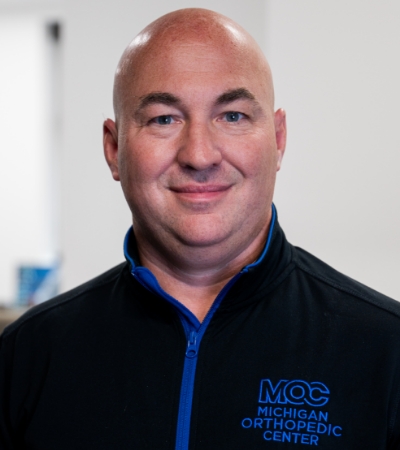
Meredith C. Heisey, DO
Board Certified & Fellowship Trained Orthopedic SurgeonShoulder, Elbow & Knee Specialist -
-



How We Diagnose and Evaluate Shoulder Instability
Our surgeons at Michigan Orthopedic Center perform a detailed exam and review your history of symptoms or dislocations.
Imaging, such as X-rays and MRIs, helps us see soft tissue injuries like labral tears or damage to the bone around the socket.
When Surgery Is the Right Option
If your shoulder continues to dislocate or feel unstable, surgery may be the most effective way to repair the damage and prevent future injury.
Our fellowship-trained surgeons perform minimally invasive procedures to:
- Repair torn labrum or ligaments
- Tighten the joint capsule
- Rebuild damaged bone in more severe cases
Procedures like Bankart repair, capsular shift, or Latarjet reconstruction are tailored to your specific injury and activity level.
Recovery After Surgery
After shoulder stabilization surgery, you will wear a sling to protect the joint while it heals. Physical therapy helps restore motion and strength over time. Most patients regain stability and return to activity within several months.
Don’t Live with a Shoulder That Keeps Slipping Out of Place
If your shoulder continues to dislocate or feel unstable, Michigan Orthopedic Center can help you find a lasting solution. Our surgical team provides advanced care for shoulder instability that restores confidence and protects your joint for the future. Call today to schedule your evaluation.
Your Next Steps…
- Request An Appointment
- Receive A Custom Treatment Plan
- Work Hard and Progress In Your Recovery
- Recover & Enjoy Life Pain-Free