Relieve Shoulder Pain and Get Back to Comfortable Movement
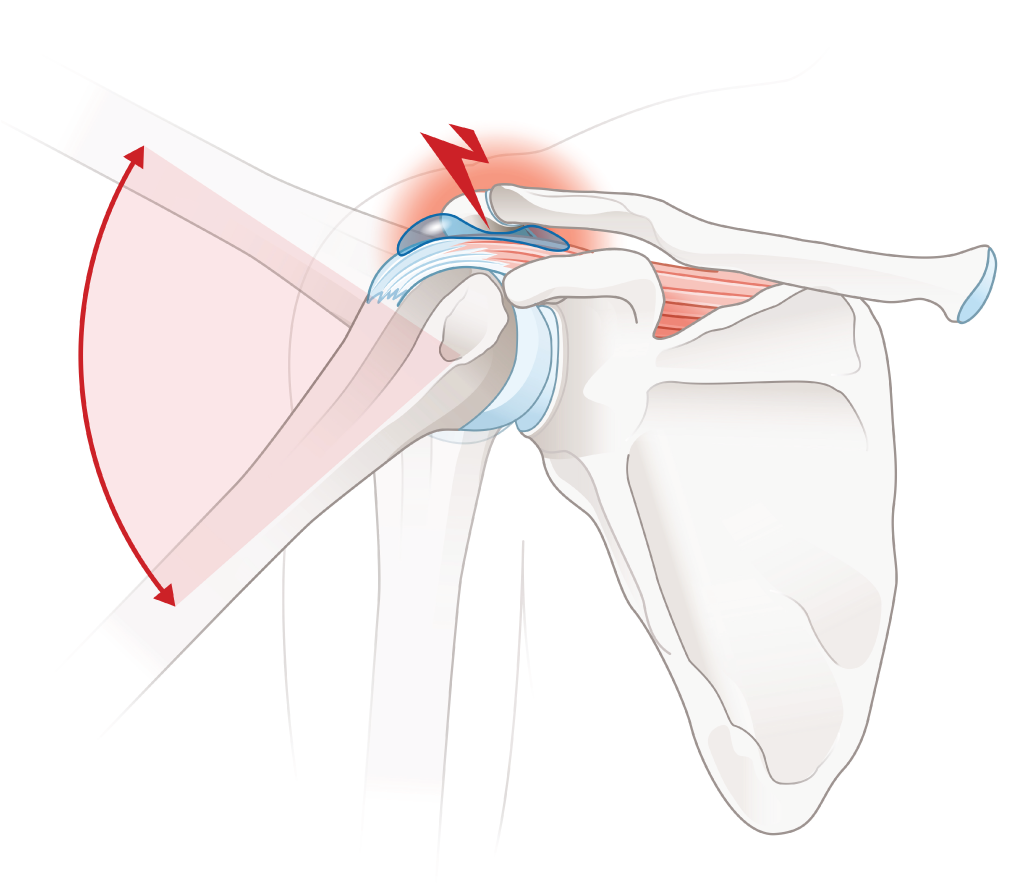
Shoulder impingement syndrome happens when tendons or soft tissue in the shoulder get pinched during movement. This can lead to pain, stiffness, and a limited range of motion. It’s a common condition, especially in people who do a lot of lifting, reaching, or overhead activity.
At Michigan Orthopedic Center, our orthopedic specialists accurately diagnose the cause of your pain and offer personalized treatment plans. If non-surgical options are not effective, our fellowship-trained surgeons can perform a minimally invasive procedure to relieve the pressure and restore smooth shoulder motion.
Signs You May Have Shoulder Impingement
This condition often starts gradually, but the symptoms can become more noticeable over time. You should schedule an evaluation if you notice:
- Shoulder pain when reaching overhead or behind your back
- Discomfort that worsens at night or when lying on the affected side
- Weakness or limited range of motion
- Clicking, popping, or catching in the shoulder
- Pain that doesn’t improve with rest
What Causes Impingement in the Shoulder
Shoulder impingement is often caused by overuse, poor posture, or natural changes in the shape of your bones as you age.
These changes can reduce the space in your shoulder joint, making it more likely for tendons to become irritated or pinched.
Meet Our Shoulder Surgeons
Our shoulder specialists are board-certified and fellowship-trained, with decades of combined experience treating shoulder injuries and disorders. Each brings advanced training in arthroscopy, fracture care, and joint replacement, along with a commitment to patient-centered care.
Click below to learn more about the surgeons who specialize in shoulder care at Michigan Orthopedic Center and find the right expert for your needs.
-

-
Meredith C. Heisey, DO
Board Certified & Fellowship Trained Orthopedic SurgeonShoulder, Elbow & Knee Specialist -
-




How We Diagnose and Treat Shoulder Impingement at Michigan Orthopedic Center
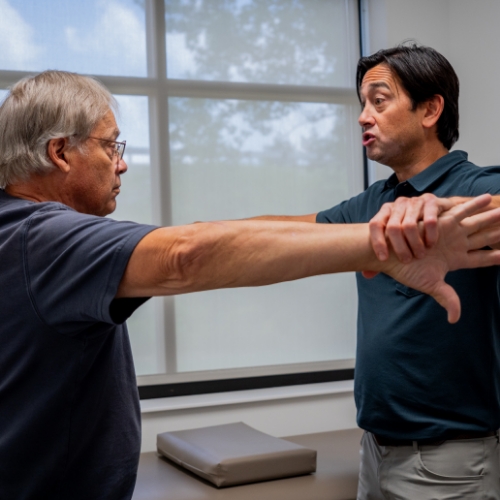
Your provider will perform a physical exam and may order imaging, such as X-rays or an MRI, to see inside the joint. This helps us determine whether there’s inflammation, bone spurs, or signs of rotator cuff irritation.
Some patients find relief with non-surgical care, such as anti-inflammatory medications and physical therapy. However, if symptoms continue or imaging shows structural narrowing, surgery may be the best option.
Surgical Treatment for Shoulder Impingement
Our orthopedic surgeons use arthroscopic surgery to remove the tissue or bone causing the impingement. This procedure uses small incisions and a camera to guide the tools inside the joint. It is designed to reduce pain and improve motion with a faster recovery than open surgery.
What to Expect After Surgery
Most patients go home the same day. You may wear a sling for a short period to rest the joint. A rehabilitation plan may include home exercises or physical therapy to help restore your strength and mobility. Many patients return to normal activities within a few weeks to months, depending on their condition and goals.
Talk to an Orthopedic Specialist About Your Shoulder Pain
If shoulder pain is keeping you from daily activities, Michigan Orthopedic Center is here to help. Our team will guide you through your options and help you decide if surgery or non-surgical care is right for you. Call today to schedule your evaluation.
Your Next Steps…
- Request An Appointment
- Receive A Custom Treatment Plan
- Work Hard and Progress In Your Recovery
- Recover & Enjoy Life Pain-Free