Advanced Surgical Options for Severe Joint Pain and Degeneration
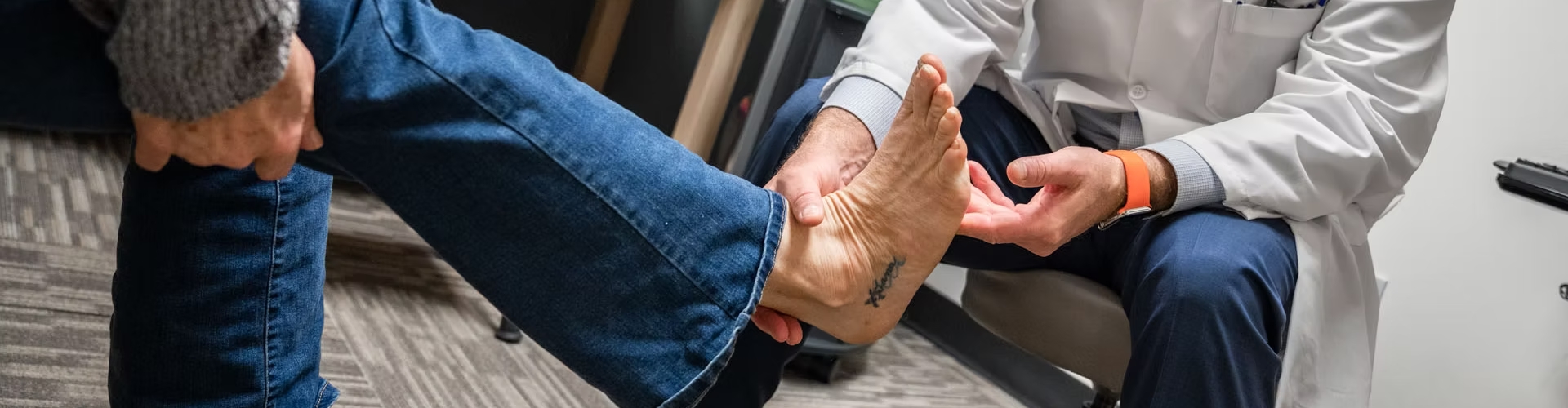
When foot or ankle pain becomes constant and interferes with your ability to walk or stand, joint-preserving treatments may no longer be enough. For many patients with advanced arthritis, deformity, or joint collapse, surgery offers a more lasting solution. Two of the most effective options are arthrodesis (fusion) and arthroplasty (joint replacement).
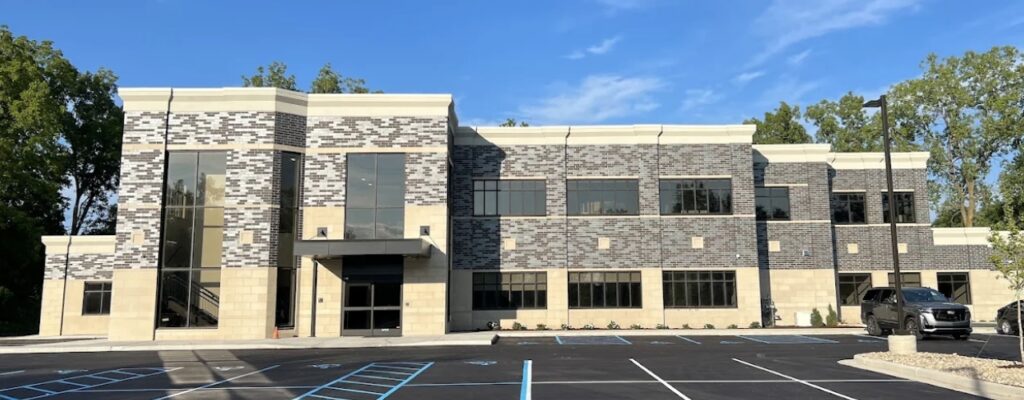
At Michigan Orthopedic Center, our orthopedic surgeons specialize in both procedures. We carefully evaluate your condition and lifestyle to recommend the most appropriate surgical approach that will reduce pain, restore function, and support long-term mobility.
Arthrodesis:
Fusing the Joint for Long-Term Relief
Arthrodesis eliminates painful motion by surgically fusing two or more bones. This procedure is ideal when the joint is too damaged to function properly and stability is more important than preserving movement.
Common types of arthrodesis we perform include:
- Ankle fusion for advanced arthritis, when walking is painful
- Subtalar fusion to correct rearfoot instability or deformity
- Midfoot and hindfoot fusion to rebuild arch structure or relieve arthritis
- First MTP joint fusion for severe big toe arthritis (hallux rigidus)
During surgery, the damaged joint surfaces are removed, and the bones are aligned and secured with screws or plates. Once healed, the fused joint becomes one solid structure, greatly reducing or eliminating pain.
Arthroplasty
Replacing the Joint to Preserve Motion
Arthroplasty involves replacing the worn-out joint surfaces with artificial components to maintain movement while reducing pain. While more common in hips and knees, joint replacement is also an option for the ankle and big toe in carefully selected patients.
We offer:
- Total ankle replacement to relieve arthritis while preserving motion
- First MTP joint replacement for less severe big toe arthritis in active patients
Joint replacement can be a good fit for patients who still have good bone quality, relatively stable alignment, and want to maintain mobility for walking or low-impact activities.
Comparing the Two Options
- Fusion eliminates pain by stopping movement, ideal for unstable or severely damaged joints
- Replacement maintains some motion, preferred when preserving function is important and the joint structure allows it
Our surgeons will explain the pros and cons of each, based on your age, activity level, and specific condition
Meet Our Foot & Ankle Surgeons
At Michigan Orthopedic Center in Lansing, MI, our foot and ankle surgeons are subspecialty-trained to handle everything from fractures and tendon injuries to complex deformities and arthritis. With advanced surgical techniques and a results-driven approach, they deliver care that restores stability, reduces pain, and helps patients regain full mobility. By working with our dedicated specialists, you receive precise treatment tailored to your condition and the confidence to return to daily activity without limitations.
Click below to learn more about the surgeons who specialize in foot & ankle care at Michigan Orthopedic Center and find the right expert for your needs.
-

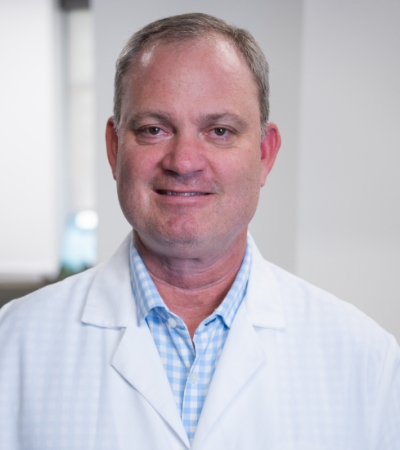
Michael P. Swords, DO
Board Certified & Fellowship Trained Orthopedic SurgeonLower Extremity Specialist
What to Expect from Surgery at Michigan Orthopedic Center
- Full diagnostic imaging and pre-surgical planning
- Fellowship-trained surgeons experienced in both fusion and replacement procedures
- Clear guidance on recovery timelines and mobility expectations
- Postoperative care, including physical therapy if needed, for safe return to activity
Expert Care You Can Count On
- Advanced surgical techniques tailored to your diagnosis and goals
- Compassionate team support before, during, and after surgery
- Results-focused treatment to reduce pain and improve daily movement
If you’ve been living with joint pain that limits your life, Michigan Orthopedic Center is here to help. Schedule your evaluation today to learn whether fusion or replacement surgery is the best step toward lasting relief.
Your Next Steps…
- Request An Appointment
- Receive A Custom Treatment Plan
- Work Hard and Progress In Your Recovery
- Recover & Enjoy Life Pain-Free