Surgical and Non-Surgical Solutions for Inner Elbow Pain
Golfer’s elbow, or medial epicondylitis, is a condition that causes pain and tenderness on the inside of the elbow. It is caused by overuse or repetitive motion that irritates the tendons connecting the forearm muscles to the inner elbow. Despite its name, this condition is common in many people who perform gripping, lifting, or wrist-flexing activities, not just golfers.
At Michigan Orthopedic Center, our orthopedic specialists treat golfer’s elbow using a step-by-step approach that prioritizes relief, function, and long-term results. For chronic or severe cases, our fellowship-trained surgeons offer procedures to remove damaged tissue and restore tendon strength.
What Causes Golfer’s Elbow?
Golfer’s elbow typically develops from repetitive strain on the wrist flexor tendons. These tendons become irritated where they attach to the medial epicondyle, a bony bump on the inside of the elbow.
Common causes include:
- Sports that involve gripping or wrist rotation, such as golf, baseball, or tennis
- Repetitive work with tools or machinery
- Frequent lifting, especially with poor technique
- Typing or computer work that strains the forearm muscles
Symptoms of Golfer’s Elbow
You may have golfer’s elbow if you notice:
- Pain or burning on the inside of the elbow
- Tenderness that worsens with gripping or lifting
- Weakness in the wrist or hand
- Numbness or tingling that may extend into the ring and pinky fingers
- Stiffness or difficulty making a fist
Pain typically builds over time and may affect both work and recreational activities.
Diagnosis and Evaluation
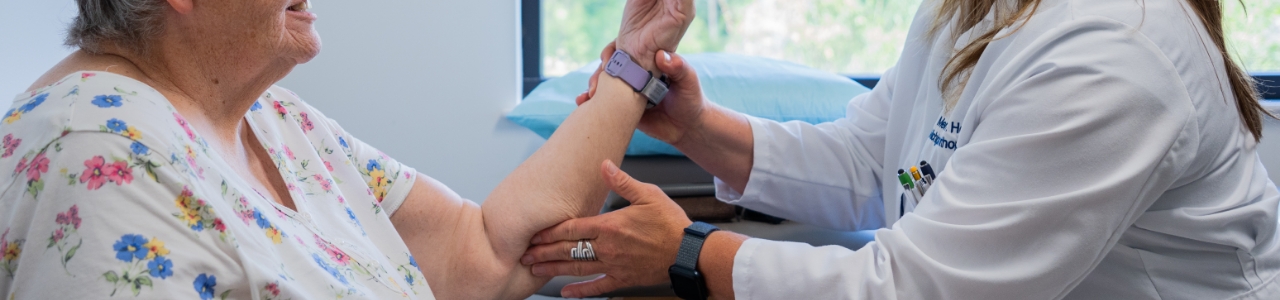
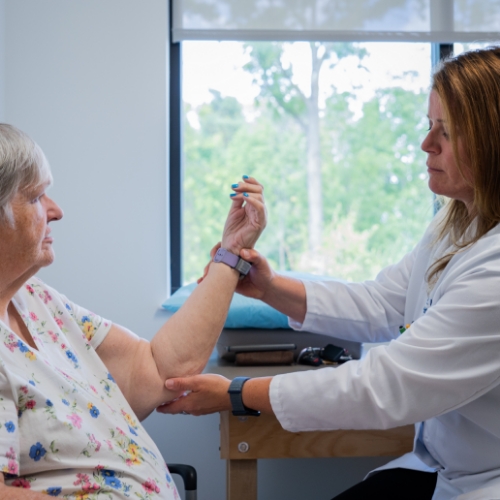
At Michigan Orthopedic Center, diagnosis begins with a physical exam and review of your symptoms. Your provider may order imaging, such as X-rays or an MRI, to rule out other causes of elbow pain or to evaluate tendon damage.
Treatment Options for Golfer’s Elbow
Many cases improve without surgery. Conservative treatments may include:
- Rest and temporary activity modification
- Anti-inflammatory medications or ice
- Forearm stretching and strengthening exercises
- Use of a brace or elbow strap
Meet Our Elbow Surgeons
At Michigan Orthopedic Center in Lansing, MI, advanced elbow care starts with the expertise of our fellowship-trained orthopedic surgeons. Each surgeon listed below has specialized training and extensive experience in treating complex elbow injuries and conditions, from tendon and ligament repairs to fracture stabilization and joint replacement.
Click below to learn more about the surgeons who specialize in elbow care at Michigan Orthopedic Center and find the right expert for your needs.
-

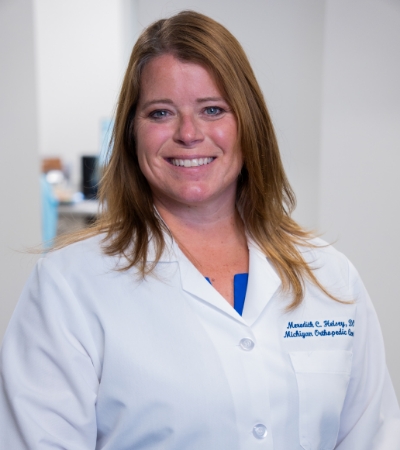
Meredith C. Heisey, DO
Board Certified & Fellowship Trained Orthopedic SurgeonShoulder, Elbow & Knee Specialist
Surgical Care for Lasting Relief
If pain lasts longer than six to twelve months and conservative treatments are not effective, surgery may be recommended. Our orthopedic surgeons at Michigan Orthopedic Center perform outpatient procedures to:
- Remove damaged tendon tissue
- Stimulate healing of the tendon attachment
- Restore forearm strength and function
Recovery typically involves a short period of rest followed by physical therapy to rebuild strength and mobility. Most patients return to their usual activities with significantly less pain.
Elbow Pain Shouldn’t Hold You Back
If inner elbow pain is interfering with your work, exercise, or daily tasks, our team at Michigan Orthopedic Center is ready to help. Schedule a consultation today to explore your treatment options and get back to doing what you enjoy.
Your Next Steps…
- Request An Appointment
- Receive A Custom Treatment Plan
- Work Hard and Progress In Your Recovery
- Recover & Enjoy Life Pain-Free