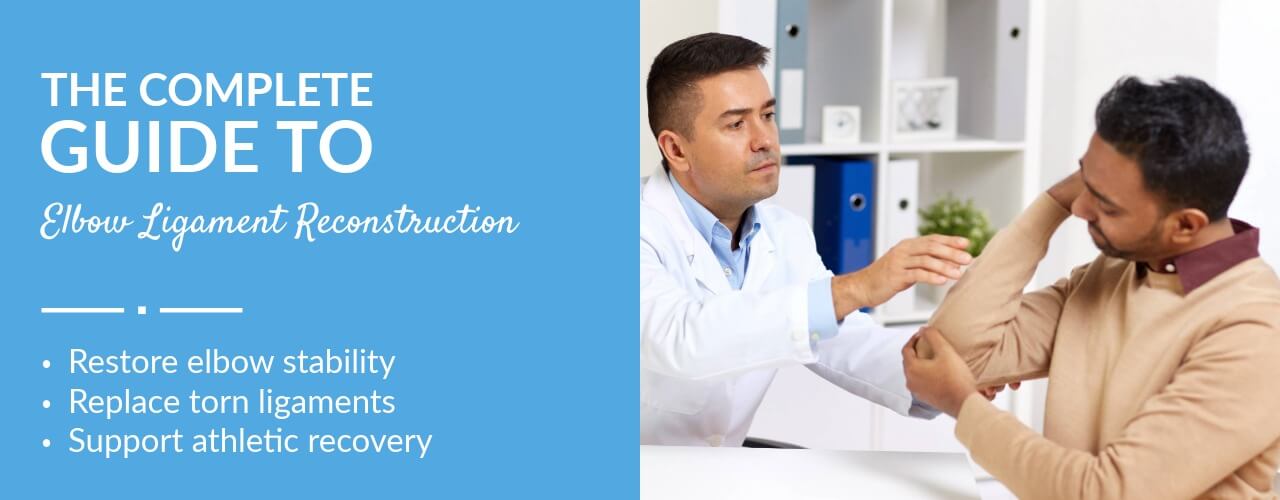
Elbow pain can make simple movements feel like a challenge, especially for anyone who relies on strength and precision in the arm. When elbow ligaments become overstretched or torn, your stability is compromised. For patients with significant damage, elbow ligament reconstruction at Michigan Orthopedic Center may be the key to restoring function and preventing long-term limitations.
What Causes Elbow Ligament Damage?
The elbow is a hinge joint supported by several key ligaments. These ligaments keep the bones aligned and help control movement. When a ligament is stretched too far or torn, the joint can feel unstable or painful.
One of the most commonly injured ligaments is the ulnar collateral ligament (UCL), especially in baseball pitchers and overhead athletes. Damage to this structure often requires medical evaluation and, in some cases, surgical repair.
Common causes of ligament damage include:
- Overuse from repetitive motions like throwing or swinging
- Trauma, such as a fall or impact injury
- Chronic stress, especially in athletes with poor mechanics or high training volume
When Is Elbow Ligament Reconstruction Needed?
This procedure is not the first treatment used for elbow injuries. Many mild to moderate cases improve with physical therapy and movement modification. But when symptoms persist or instability becomes significant, surgery may be necessary.
Here are some of the situations where we might recommend elbow ligament surgery:
- A ligament is completely torn
- The elbow remains unstable, especially during movement
- Pain limits performance and daily activities
- Non-surgical care has not improved symptoms after several months
- An athlete needs a return to high-level activity
A Deeper Dive into Elbow Ligament Reconstruction
Elbow ligament reconstruction is a specific type of elbow surgery that restores stability using a tendon graft to replace the damaged ligament. Surgeons typically use a tendon from the patient’s own body or a donor.
Key Steps in the Procedure
- Harvesting the graft, often from the forearm or hamstring
- Creating bone tunnels in the humerus and ulna for graft placement
- Securing the graft in place with surgical anchors or sutures
- Closing the incision and applying a protective dressing
This procedure is usually done on an outpatient basis under anesthesia. Most patients go home the same day with their arm supported in a brace or sling.
Recovery and Rehabilitation
Recovery from a reconstruction takes time, patience, and guidance from the Michigan Orthopedic Center physical therapists. The goal is not just healing, but a full return of strength, control, and function. The process advances in stages:
First Few Weeks
- Pain control, swelling management, and elbow immobilization
Weeks 4–12
- Gradual reintroduction of the range of motion under therapist supervision
Months 3–6
- Strength and stability training begins, often with resistance bands and light weights
Months 6–12
- Sport-specific or job-related movement is added, depending on goals
Why Elbow Ligament Reconstruction Works
When conservative treatment fails, elbow ligament reconstruction offers a reliable solution for restoring elbow stability and relieving pain. The procedure offers several key benefits, including:
- Long-term relief from elbow instability
- Restored ability to lift, throw, or grip without fear of collapse
- Return to high-demand sports or job duties
- Lower risk of re-injury when combined with a structured rehab plan
This surgery is especially valuable for athletes who need rotational power and speed from their throwing arm. With the right surgical plan and rehab, most patients return to their sport or work within a year.
Explore Personalized Elbow Care at Michigan Orthopedic Center
Elbow pain should never be ignored, especially when it limits your life. At Michigan Orthopedic Center, our orthopedic specialists understand what it takes to treat complex elbow injuries, including those that require reconstruction.
Whether you’re an athlete, a worker, or someone who just wants to use your arm without pain, we’re here to help. Contact one of our Lansing, MI, and Okemos, MI clinics to schedule an evaluation and learn whether elbow ligament reconstruction is right for you.