Relieve Stiffness and Restore Motion with Expert Shoulder Care
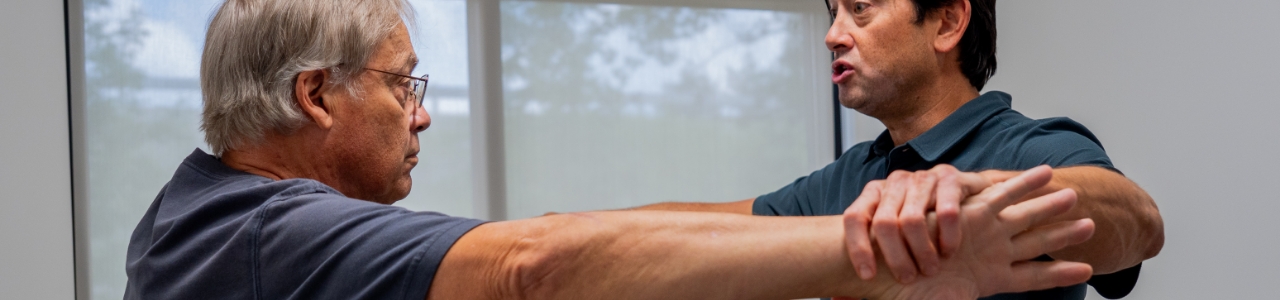
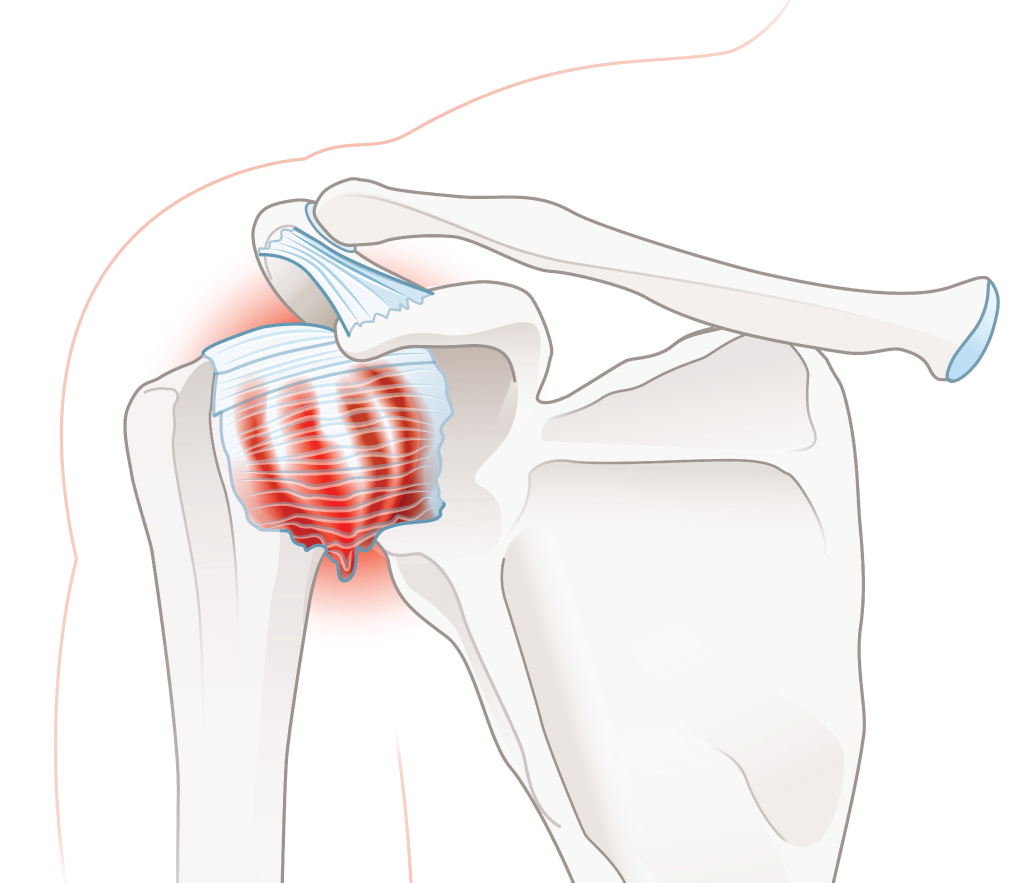
Frozen shoulder, also called adhesive capsulitis, causes pain, stiffness, and a gradual loss of motion in the shoulder joint. This condition develops when the connective tissue around the joint thickens and tightens, making movement painful and limited.
At Michigan Orthopedic Center, our orthopedic surgeons evaluate the severity of your frozen shoulder and guide you through the most effective treatment options. If your symptoms are not improving with conservative care, we offer surgical solutions that can release the tight joint capsule and restore function.
What Frozen Shoulder Feels Like
Frozen shoulder usually develops slowly and progresses in three stages:
- Freezing – Increasing pain and gradual loss of motion
- Frozen – Stiffness remains, but pain may decrease
- Thawing – Motion begins to return
You may have frozen shoulder if you notice:
- A dull or aching pain in the shoulder
- Stiffness that limits arm movement
- Difficulty reaching overhead, behind your back, or to the side
- Increased pain at night or when lying on the affected side
- A gradual decline in function over weeks or months
Who Is at Risk?
Frozen shoulder is more common in people over 40, especially women. It often affects those recovering from a shoulder injury or surgery and is also linked to diabetes, thyroid conditions, and certain autoimmune disorders.
Diagnosis and Evaluation at Michigan Orthopedic Center
Your provider will assess your symptoms, medical history, and shoulder motion. X-rays or MRI may be used to rule out other causes of stiffness and confirm the diagnosis.
Meet Our Shoulder Surgeons
Our shoulder specialists are board-certified and fellowship-trained, with decades of combined experience treating shoulder injuries and disorders. Each brings advanced training in arthroscopy, fracture care, and joint replacement, along with a commitment to patient-centered care.
Click below to learn more about the surgeons who specialize in shoulder care at Michigan Orthopedic Center and find the right expert for your needs.
-

-
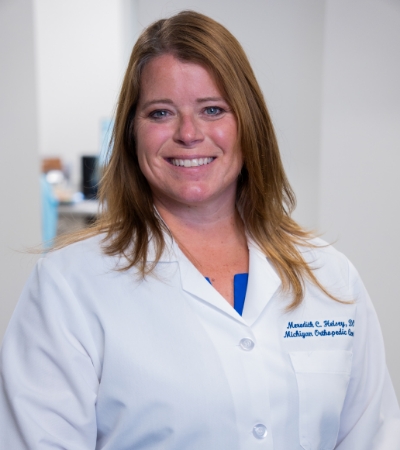
Meredith C. Heisey, DO
Board Certified & Fellowship Trained Orthopedic SurgeonShoulder, Elbow & Knee Specialist -
-


How Frozen Shoulder Is Treated
Many patients start with non-surgical care, which may include:
- Anti-inflammatory medications
- Physical therapy to gently stretch the joint
- Activity modifications to protect the shoulder
If your symptoms continue or progress into the frozen phase, surgical intervention may be recommended.
Surgical Options from Our Orthopedic Surgeons
At Michigan Orthopedic Center, our fellowship-trained surgeons perform procedures such as:
- Shoulder arthroscopy to release scar tissue and loosen the joint capsule
- Manipulation under anesthesia (MUA) to gently stretch the joint while you are sedated
Both approaches aim to restore shoulder motion and relieve pain when other treatments have not helped.
Recovery After Treatment
Whether treated non-surgically or with surgery, recovery involves physical therapy to restore movement and prevent stiffness from returning. Most patients regain function and return to normal activities over time.
Get Help for Shoulder Stiffness That Is Holding You Back
If shoulder stiffness is making daily tasks difficult or painful, our team at Michigan Orthopedic Center can help. We provide expert diagnosis and step-by-step care to get your shoulder moving again. Contact us today to schedule your evaluation.
Your Next Steps…
- Request An Appointment
- Receive A Custom Treatment Plan
- Work Hard and Progress In Your Recovery
- Recover & Enjoy Life Pain-Free