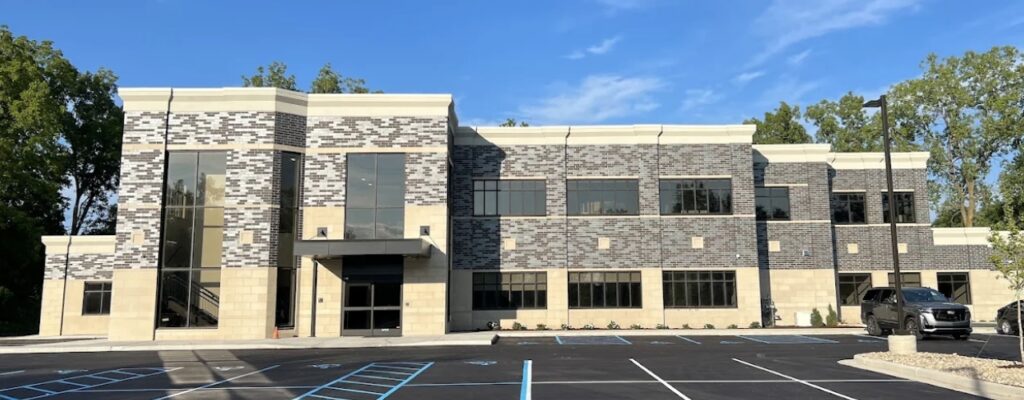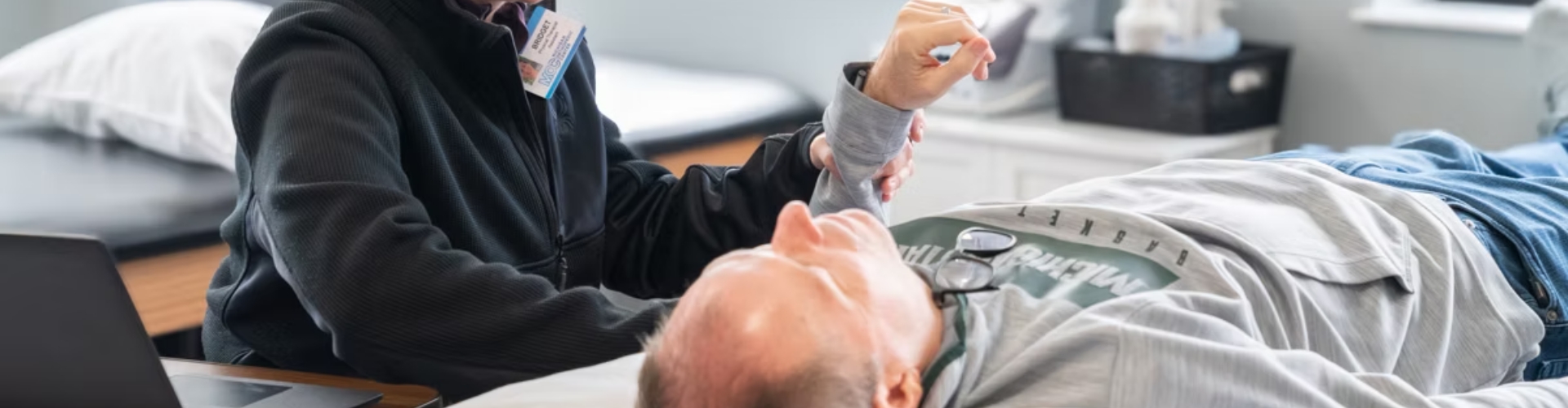
Recover With Physical Therapy in Lansing, MI and Okemos, MI
Physical therapy in Lansing, MI and Okemos, MI helps people recover from injury, restore movement, and improve quality of life without relying solely on medication or surgery. Whether you are dealing with a sports injury, recovering after surgery, or managing chronic joint pain, this treatment focuses on restoring your ability to move comfortably. Our experienced care team provides tailored plans so every person gets the right combination of hands-on therapy, guided exercises, and education to support lasting recovery.

Common Reasons People Seek Physical Therapy
Many people turn to physical therapy when pain, injury, or loss of function interrupts daily life. Some of the most common reasons include:
- Sports injuries such as sprains, ligament tears, and muscle strains.
- Post-surgical recovery after joint replacement, spine surgery, or tendon repair.
- Back and neck pain from poor posture, disc problems, or overuse.
- Arthritis and joint pain affecting the knees, hips, shoulders, and spine.
- Balance and mobility issues that increase the risk of falls.
Physical therapy can address both recent injuries and long-term conditions, using safe and proven techniques to restore movement and strength.
How Physical Therapy in Lansing, MI and Okemos, MI Helps You Recover
When pain or injury disrupts daily activities, the right therapy plan can make the difference between slow, incomplete healing and a safe return to full function. Physical therap often includes:
- Manual therapy – Hands-on techniques that reduce stiffness, ease pain, and improve joint mobility.
- Targeted exercises – Strength and flexibility work designed for your specific needs. Stretching is used to restore mobility and reduce discomfort, but not to prevent injury or build strength.
- Pain management strategies – Ice can help reduce pain and may limit swelling within the first 12–24 hours after injury.
- Movement-focused recovery – Early, guided activity and progressive loading of the injured area help tissue heal and lower the risk of re-injury.
Our team avoids prolonged rest, which can lead to muscle loss, joint stiffness, and reduced balance.
What to Expect During Treatment
Your care begins with a thorough evaluation by a licensed movement specialist. This includes discussing your health history, reviewing your goals, and performing a physical assessment. From there, you can expect:
- Personalized treatment plan – A program built around your condition, goals, and lifestyle.
- Hands-on care and guided exercise – In-clinic sessions designed to improve mobility, reduce pain, and restore function.
- Home program – Targeted exercises and tips to support progress between visits.
- Ongoing progress checks – Adjustments made as you improve to keep you moving toward your goals.
Why Choose Michigan Orthopedic Center for Your Care
Choosing the right provider for physical therapy in Lansing, MI and Okemos, MI can speed recovery and improve results. At Michigan Orthopedic Center, you benefit from:
- Experienced providers – Licensed specialists with advanced training.
- Tailored care – Programs designed for your exact needs and goals.
- Innovative techniques – Access to proven therapies and modern equipment.
- Local access – Convenient appointment times for patients in both Lansing, MI and Okemos, MI.
Physical Therapy Techniques For Your Recovery
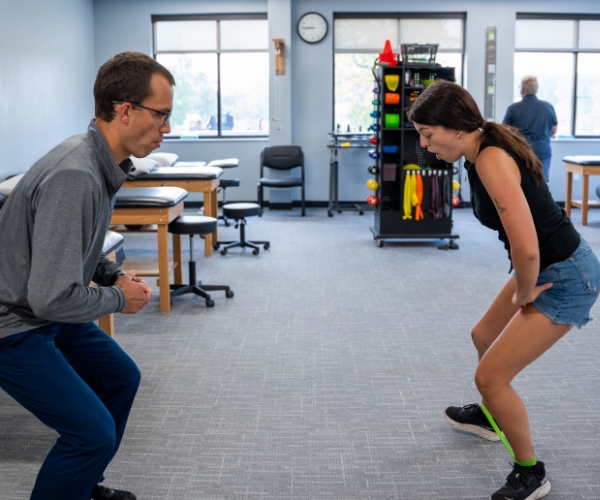
Therapeutic Exercise
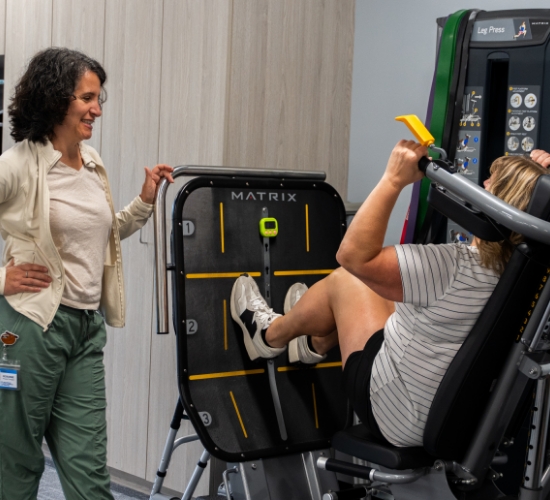
Therapeutic exercise uses targeted, guided movements to improve strength, flexibility, balance, and endurance. Each program is customized to your condition and goals, helping you recover from injury, surgery, or chronic pain. Exercises may include stretching to restore mobility, strengthening to support joints, and balance drills to reduce fall risk. Your therapist will guide proper form to ensure safety and effectiveness. Regular practice improves movement quality, lowers re-injury risk, and supports long-term wellness. Whether you’re an athlete returning to sport or regaining mobility after surgery, therapeutic exercise is a cornerstone of successful physical therapy care.
Manual Therapy
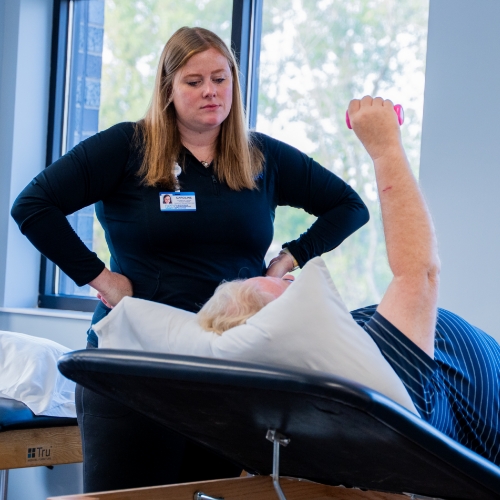
Manual therapy involves hands-on techniques that reduce stiffness, relieve pain, and improve joint and soft tissue mobility. Your therapist may use gentle joint mobilizations, soft tissue massage, or stretching to restore normal movement patterns. This approach targets areas of restriction that can’t always be addressed through exercise alone. By improving circulation and releasing muscle tension, manual therapy can enhance recovery and make daily activities more comfortable. It is often combined with therapeutic exercise for lasting results. Manual therapy can benefit people with back pain, joint injuries, muscle tightness, and post-surgical stiffness, helping them move more freely and return to activity.
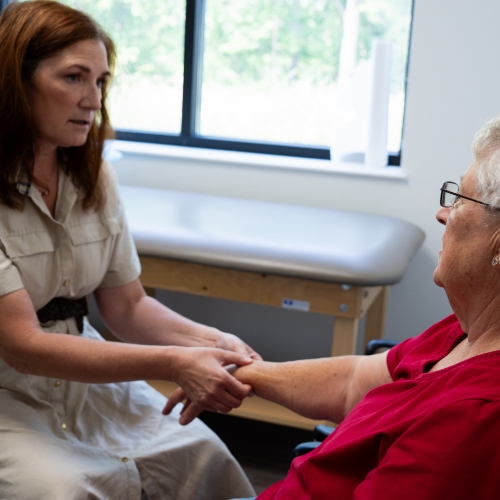
Patient Education
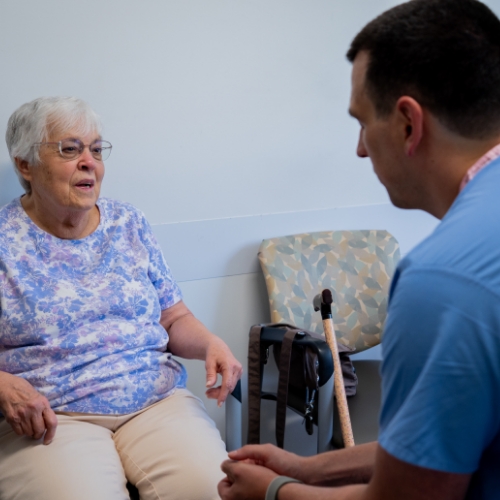
Patient education is a vital part of physical therapy, empowering you with the knowledge and tools to take an active role in your recovery. Your therapist will explain your diagnosis in clear, easy-to-understand terms, outline the purpose of each treatment, and teach you safe ways to move at home and work. Education may include posture tips, activity modifications, home exercises, and strategies to manage symptoms. By understanding the “why” behind your plan, you’re more likely to stay engaged and see better results. Patient education ensures you leave each session confident and informed about your progress and next steps.
Ultrasound
Therapeutic ultrasound uses sound waves to gently warm tissues beneath the skin. This deep heating effect can improve blood flow, relax muscles, and prepare the body for stretching or exercise. In some cases, ultrasound is used to promote tissue healing by stimulating cell activity in the affected area. Your therapist applies a small device with gel to the skin, moving it in slow, circular motions. The treatment is painless and usually lasts a few minutes. Ultrasound can be especially helpful for soft tissue injuries, tendon irritation, or scar tissue, making movement more comfortable and improving treatment outcomes.
Dry Needling
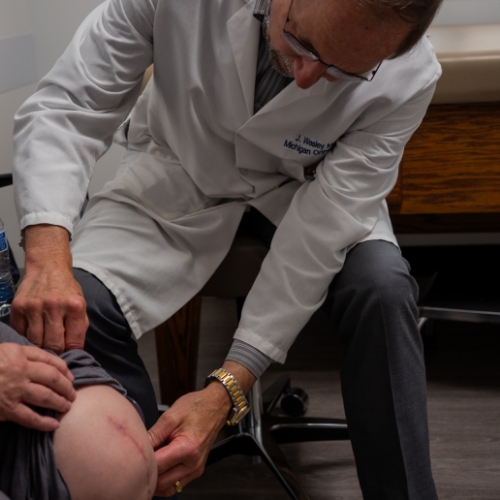
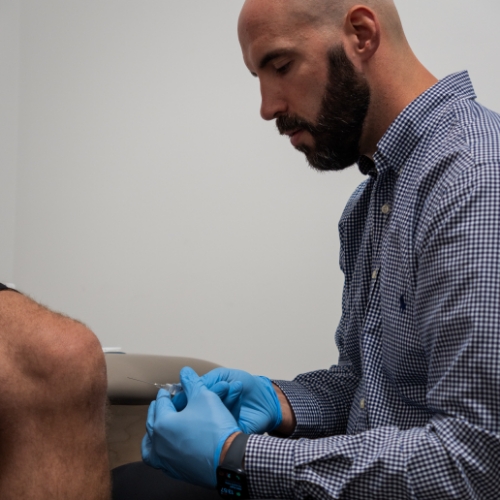
Dry needling targets tight, painful muscle “trigger points” with a thin, sterile needle to release tension and improve function. This technique can reduce pain, restore normal movement, and improve muscle activation. The needle is inserted directly into the affected muscle, causing a brief twitch response that helps reset the muscle’s activity. Dry needling is not the same as acupuncture; it’s based on modern anatomy and neuromuscular science. Many patients feel immediate relief and improved movement after treatment. It is often used alongside exercise and manual therapy to address muscle imbalances, chronic tension, or post-injury stiffness.
Electrical Stimulation
Electrical stimulation (e-stim) uses controlled electrical pulses to activate muscles, improve circulation, and relieve pain. Small pads are placed on the skin over targeted muscles or nerves. The gentle current can help reduce swelling, prevent muscle loss during recovery, and retrain weak muscles after injury or surgery. Different settings allow therapists to target pain control, muscle re-education, or healing support. Treatment is painless and often feels like a light tingling sensation. Electrical stimulation is frequently combined with other therapies to speed recovery, improve movement, and help patients return to daily activities with greater comfort and function.
Kinesiology Taping
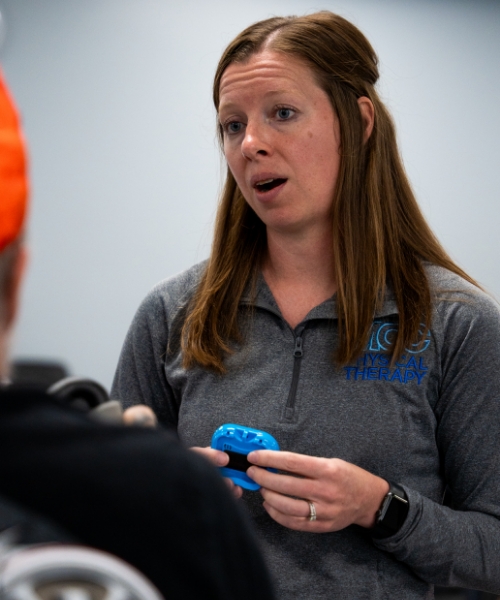
Kinesiology taping uses a flexible, skin-safe tape applied to muscles, tendons, or joints to provide support without limiting movement. The tape gently lifts the skin, improving circulation and reducing pressure on pain-sensitive areas. This can help decrease swelling, support injured tissues, and improve body awareness during activity. Kinesiology taping can be worn for several days, even during exercise or showering. It’s often used for sports injuries, joint pain, or muscle strain. While not a standalone treatment, taping complements exercise and manual therapy by providing additional stability and comfort during the healing process.
Blood Flow Restriction Therapy
Blood flow restriction (BFR) therapy uses a specialized cuff or band to partially limit blood flow to a limb during low-intensity exercise. This technique allows patients to build strength and muscle mass without heavy weights, reducing stress on healing joints or tissues. By creating a safe metabolic challenge, BFR stimulates muscle growth and recovery similar to high-load training. Therapists closely monitor pressure and exercise to ensure safety. BFR is often used after surgery, injury, or in cases where heavy lifting isn’t possible, helping patients regain strength faster and return to full activity with confidence.
Frequently Asked Questions
How long does it take to see results?
Do I need a doctor’s referral?
Will it hurt?
Where can I find physical therapy in Lansing, MI and Okemos, MI?
Take the First Step Toward Better Movement
You don’t have to live with stiffness, weakness, or limited mobility. With a plan built for your needs, physical therapy can help you move comfortably again. Contact Michigan Orthopedic Center today to schedule your first appointment and start your path toward stronger, healthier movement.
Your Next Steps…
- Request An Appointment
- Receive A Custom Treatment Plan
- Work Hard and Progress In Your Recovery
- Recover & Enjoy Life Pain-Free